
Introduction
Every living organism is made up of one or more cells. Cells are the fundamental structural and functional units of life, performing essential activities such as energy production, protein synthesis, waste removal, growth, and reproduction.
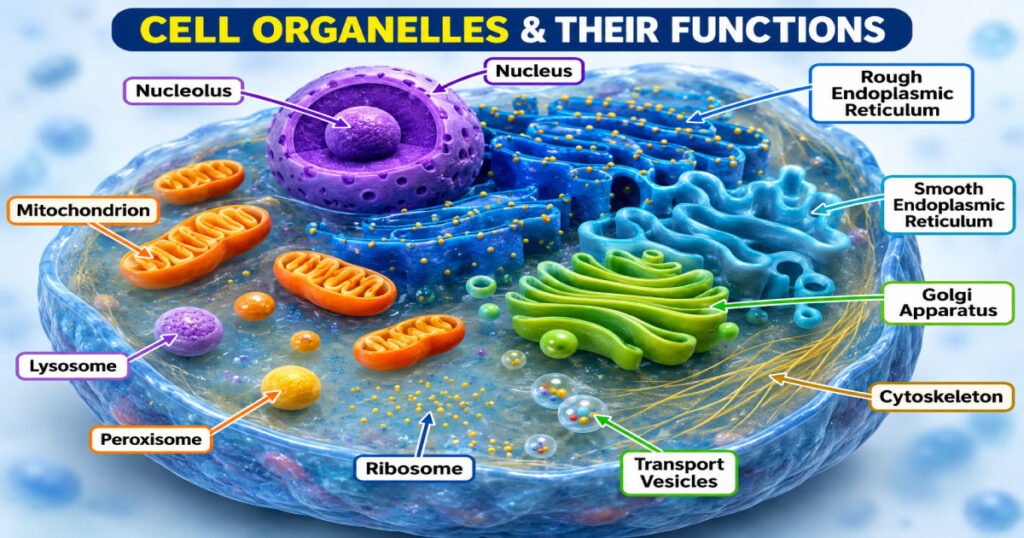
Although cells are microscopic, they contain several specialized structures that perform different jobs. These structures are called cell organelles. Each organelle contributes to the survival and proper functioning of the cell.
For example, the nucleus stores genetic information, mitochondria generate most of the ATP used by many eukaryotic cells, and ribosomes manufacture proteins. Other organelles help transport materials, digest waste, store substances, and maintain cellular organization.
Understanding cell organelles and their functions is essential for studying biology, genetics, physiology, and molecular biology.
1. What Are Cell Organelles?
Cell organelles are specialized structures inside cells that perform specific biological functions necessary for cellular survival, growth, and maintenance.
The word organelle means “little organ.” The term describes the specialized compartments that help cells perform different activities efficiently.
Most well-known membrane-bound organelles are found in eukaryotic cells, including animal, plant, fungal, and protist cells. Examples include the nucleus, mitochondria, endoplasmic reticulum, Golgi apparatus, and lysosomes.
Not every cellular structure is membrane-bound. Ribosomes, for example, are essential cellular structures responsible for protein synthesis, but they do not have a surrounding membrane.
Organelles work together rather than independently. Their coordinated activities allow cells to produce energy, manufacture proteins, process nutrients, remove waste, and maintain internal balance (homeostasis). OpenStax+2
2. Major Cell Organelles and Their Functions
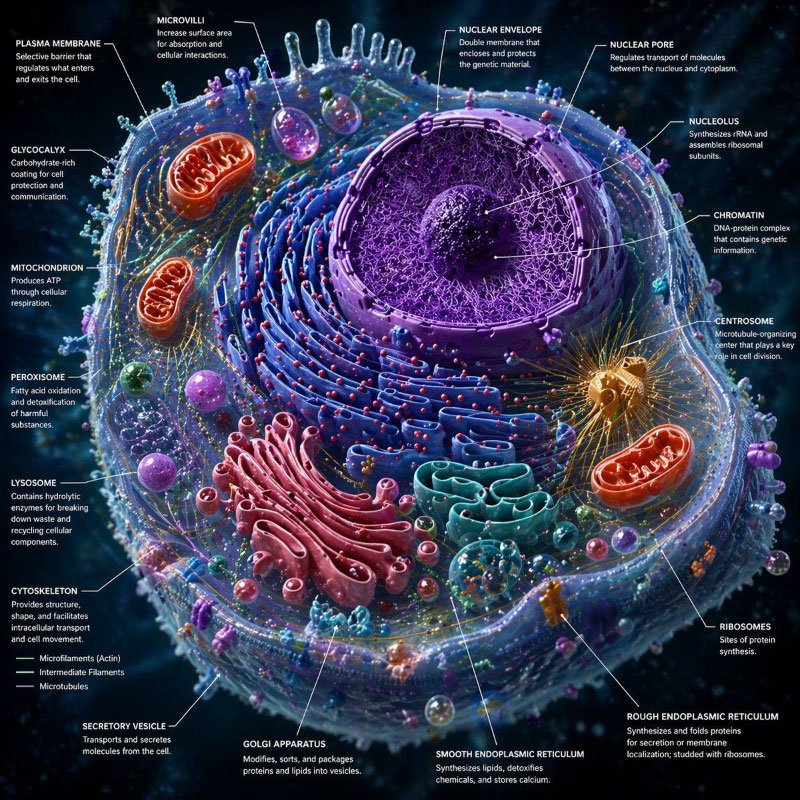
The following sections explain the major organelles found in eukaryotic cells, their structures, and their biological functions.
2.1 Nucleus
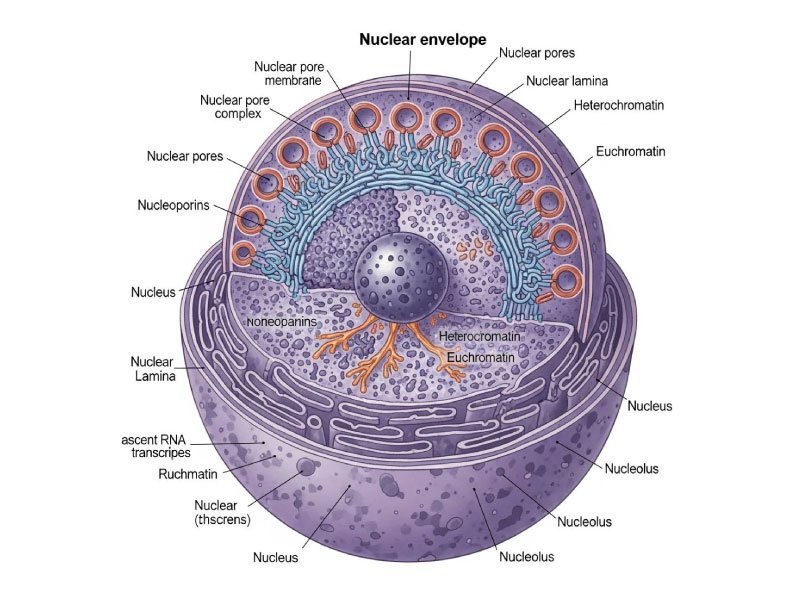
The nucleus is a prominent membrane-bound organelle that contains most of the genetic material (DNA) in eukaryotic cells. It plays a central role in regulating gene expression, cellular activities, growth, and cell division.
Structure:
- Surrounded by a double membrane called the nuclear envelope.
- Contains nuclear pores that regulate the movement of molecules between the nucleus and cytoplasm.
- Contains chromatin, which consists of DNA associated with proteins.
- Contains a nucleolus, where ribosomal RNA is produced and ribosomal subunits are assembled.
Functions of the nucleus:
- Stores genetic information: Houses most of the cell’s DNA, which contains instructions for cellular activities.
- Regulates gene expression: Controls which genes are expressed and when.
- Supports cell division: DNA is replicated before cell division so genetic information can be passed to daughter cells.
- Controls protein production indirectly: DNA instructions are transcribed into RNA, which helps direct protein synthesis.
- Produces ribosomal components: The nucleolus produces ribosomal RNA and assembles ribosomal subunits.
Important fact: Mature mammalian red blood cells lack a nucleus, allowing more space for hemoglobin.
2.2 Mitochondria
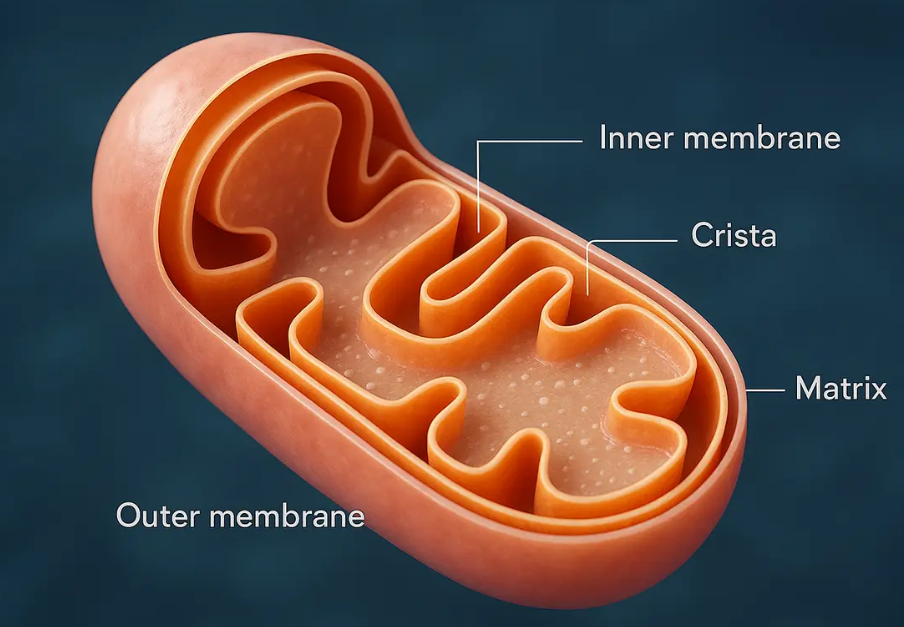
Mitochondria are double-membrane organelles responsible for most ATP production through aerobic cellular respiration in many eukaryotic cells.
ATP (adenosine triphosphate) is the primary energy-transfer molecule used by cells to power numerous biological processes.
Structure:
- An outer membrane surrounds the organelle.
- An inner membrane contains folds called cristae.
- The space inside the inner membrane is called the mitochondrial matrix.
- The matrix contains enzymes, mitochondrial DNA, and ribosomes.
Functions of mitochondria:
- ATP production: Generate most of the ATP produced during aerobic respiration in many eukaryotic cells.
- Cellular respiration: Carry out important stages of aerobic energy metabolism, including the citric acid cycle and oxidative phosphorylation.
- Calcium regulation: Participate in cellular calcium signaling and calcium storage.
- Apoptosis regulation: Help regulate programmed cell death.
- Metabolic activities: Participate in several metabolic pathways.
Important fact: Mitochondria contain their own DNA and ribosomes. They are believed to have evolved from ancient bacteria through endosymbiosis.
2.3 Ribosomes
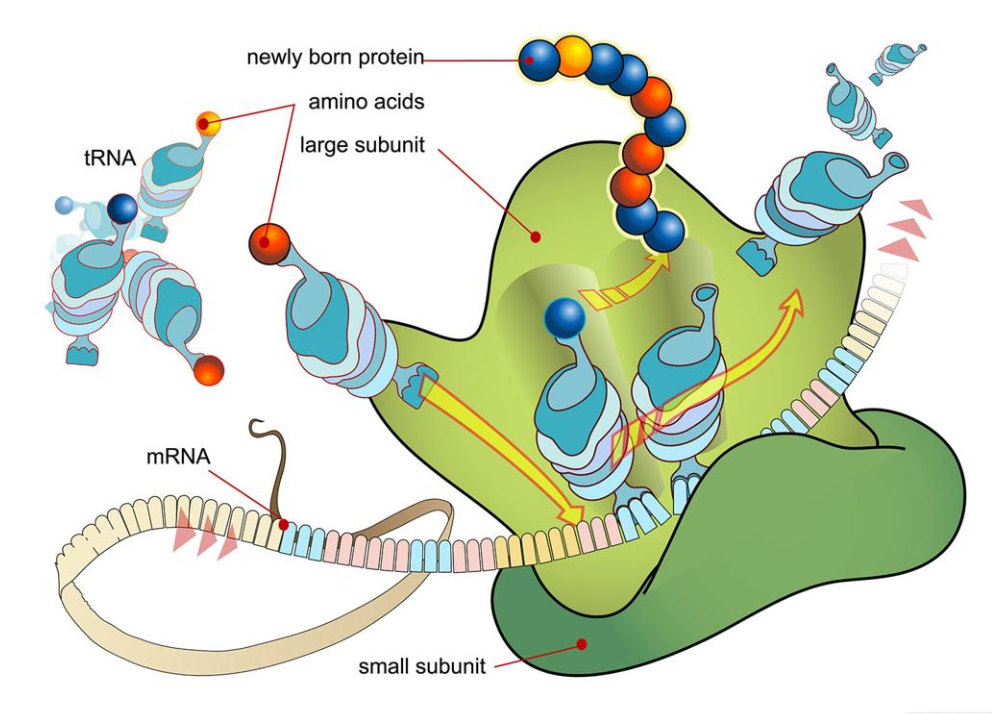
Ribosomes are small cellular structures responsible for protein synthesis. They translate genetic information carried by messenger RNA (mRNA) into amino acid sequences that form proteins.
Unlike many other organelles, ribosomes are not surrounded by membranes.
Structure:
- Consist of ribosomal RNA (rRNA) and proteins.
- Contain a large subunit and a small subunit.
- Can be found freely in the cytoplasm or attached to the rough endoplasmic reticulum.
Functions of ribosomes:
- Protein synthesis: Join amino acids together to produce polypeptide chains.
- Translation: Read codons on mRNA to determine the correct amino acid sequence.
- Cell growth: Produce proteins required for cellular development and maintenance.
- Enzyme production: Synthesize many proteins that function as enzymes.
- Cell repair: Produce proteins needed to replace damaged or worn-out cellular components.
Important fact: Free ribosomes generally produce proteins used within the cytosol or certain organelles, while ribosomes bound to the rough ER commonly produce proteins destined for secretion, membranes, or the endomembrane system.
2.4 Endoplasmic Reticulum (ER)
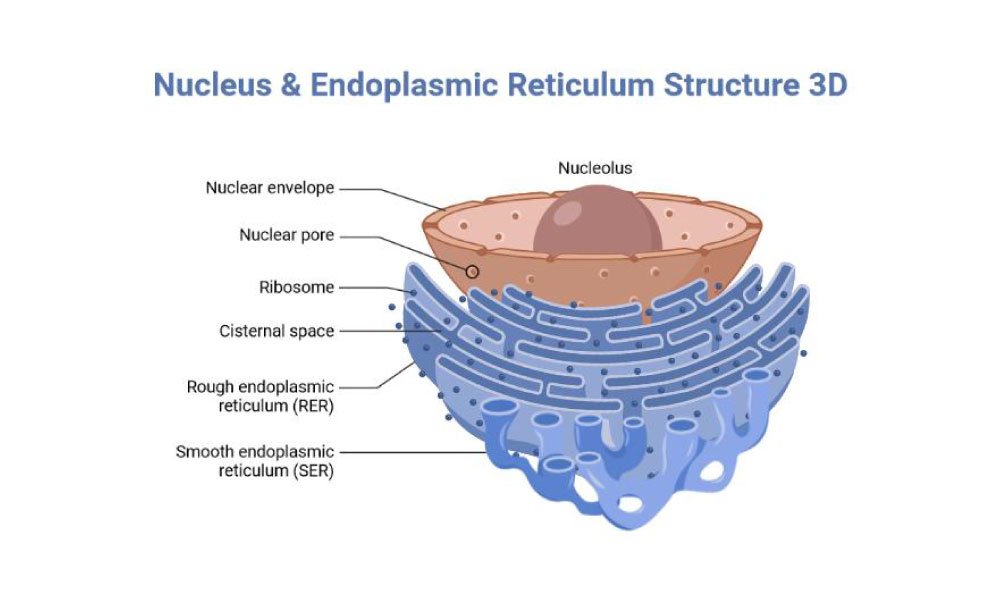
The endoplasmic reticulum (ER) is an extensive network of interconnected membranes found in eukaryotic cells. It participates in protein synthesis, lipid production, protein processing, and intracellular transport.
There are two major types of endoplasmic reticulum.
A. Rough Endoplasmic Reticulum (RER)
The rough endoplasmic reticulum has ribosomes attached to its outer surface, giving it a rough appearance under an electron microscope.
Functions:
- Synthesizes many proteins destined for secretion or cellular membranes.
- Helps newly synthesized proteins fold correctly.
- Participates in protein modification and quality control.
- Transports proteins toward the Golgi apparatus.
B. Smooth Endoplasmic Reticulum (SER)
The smooth endoplasmic reticulum does not have ribosomes attached to its surface.
Functions:
- Synthesizes lipids and phospholipids.
- Participates in steroid hormone synthesis in specialized cells.
- Helps detoxify certain drugs and harmful substances, particularly in liver cells.
- Stores and releases calcium ions, especially in muscle cells.
Important fact: The rough and smooth ER perform different functions but are connected parts of the same membrane network. OpenStax+1
2.5 Golgi Apparatus
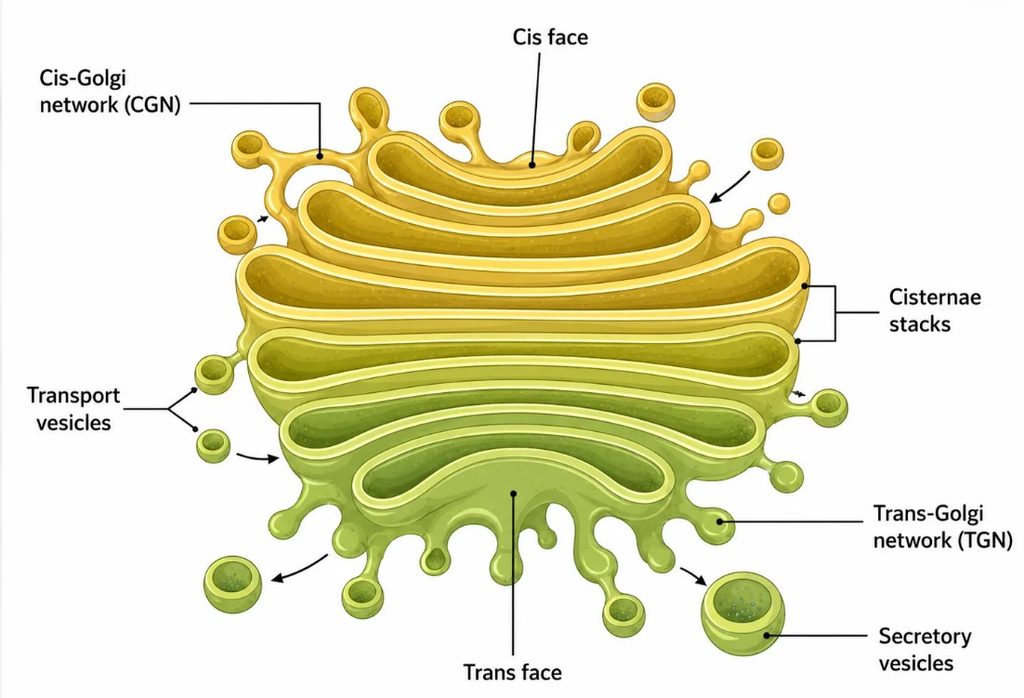
The Golgi apparatus is a membrane-bound organelle that modifies, sorts, and packages proteins and lipids received from the endoplasmic reticulum.
It acts like a cellular processing and distribution center.
Structure:
- Consists of stacks of flattened membrane-bound sacs called cisternae.
- Has a receiving side called the cis face.
- Has a shipping side called the trans face.
- Produces transport and secretory vesicles.
Functions of the Golgi apparatus:
- Protein modification: Modifies certain proteins through processes such as glycosylation.
- Sorting: Identifies and directs proteins and lipids to their appropriate destinations.
- Packaging: Packages cellular materials into transport vesicles.
- Secretion: Helps prepare substances for release outside the cell.
- Lysosome formation: Contributes to the production and delivery of lysosomal enzymes.
Important fact: Cells that actively secrete proteins, such as certain gland cells, often have a well-developed Golgi apparatus.
2.6 Lysosomes

Lysosomes are membrane-bound organelles containing digestive enzymes that break down biological materials.
They are particularly prominent in many animal cells and help maintain cellular cleanliness through digestion and recycling.
Structure:
- Surrounded by a single membrane.
- Contain hydrolytic enzymes.
- Maintain an acidic internal environment that supports enzyme activity.
Functions of lysosomes:
- Intracellular digestion: Break down proteins, carbohydrates, lipids, and nucleic acids.
- Waste removal: Digest unwanted cellular materials.
- Organelle recycling: Help recycle damaged or unnecessary organelles through autophagy.
- Defense: Participate in the breakdown of certain pathogens taken into cells.
- Cellular maintenance: Recycle useful molecules so they can be reused.
Important fact: Lysosomal enzymes work most effectively in an acidic environment, generally around pH 4.5–5.
2.7 Peroxisomes
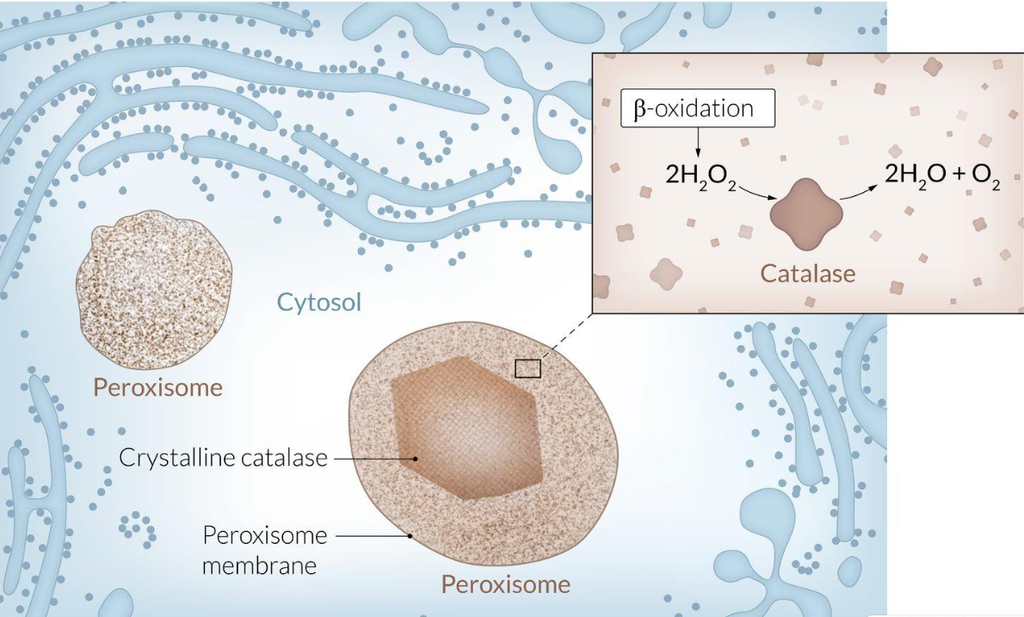
Peroxisomes are small, membrane-bound organelles involved in oxidative metabolism and the breakdown of certain fatty acids and harmful substances.
Structure:
- Surrounded by a single membrane.
- Contain oxidative enzymes, including catalase.
- Participate in several metabolic reactions.
Functions of peroxisomes:
- Fatty acid breakdown: Help break down very-long-chain fatty acids through beta-oxidation.
- Detoxification: Help process certain potentially harmful compounds.
- Hydrogen peroxide breakdown: Catalase converts hydrogen peroxide into water and oxygen.
- Lipid metabolism: Participate in the synthesis of certain specialized lipids.
Important fact: Hydrogen peroxide is potentially harmful to cells. Peroxisomes contain enzymes that help control and break down this reactive molecule.
2.8 Vacuoles
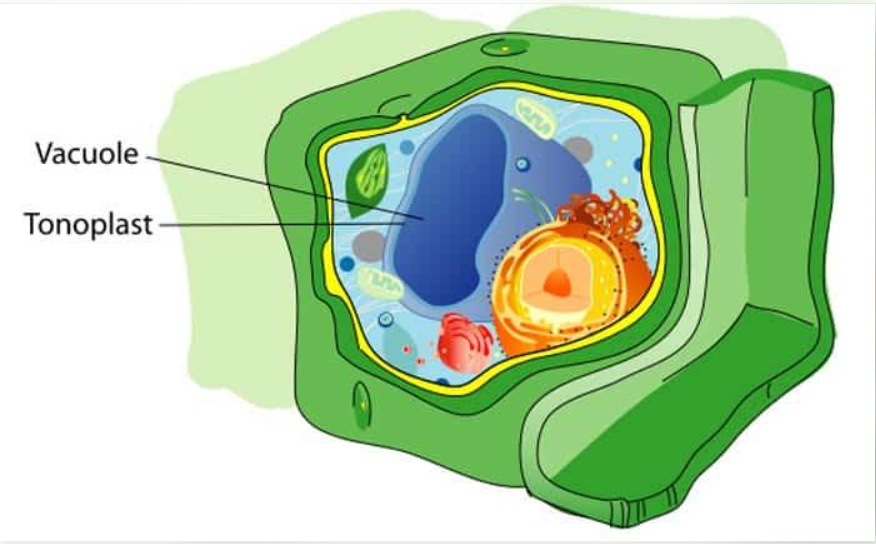
Vacuoles are membrane-bound compartments involved in storage, waste management, and cellular regulation.
They are particularly prominent in plant cells, where a large central vacuole can occupy much of the cell’s volume.
Structure:
- Surrounded by a membrane called the tonoplast in plant cells.
- Contains fluid known as cell sap in the plant central vacuole.
- May store water, ions, nutrients, pigments, and waste products.
Functions of vacuoles:
- Water storage: Store water and help regulate cellular water balance.
- Maintaining turgor pressure: The central vacuole helps maintain pressure against the plant cell wall.
- Nutrient storage: Store ions, sugars, and other substances.
- Waste storage: Isolate certain waste products from the cytoplasm.
- Cell growth: Vacuole expansion contributes to the enlargement of plant cells.
Important fact: A large central vacuole is a characteristic feature of many mature plant cells.
2.9 Chloroplasts
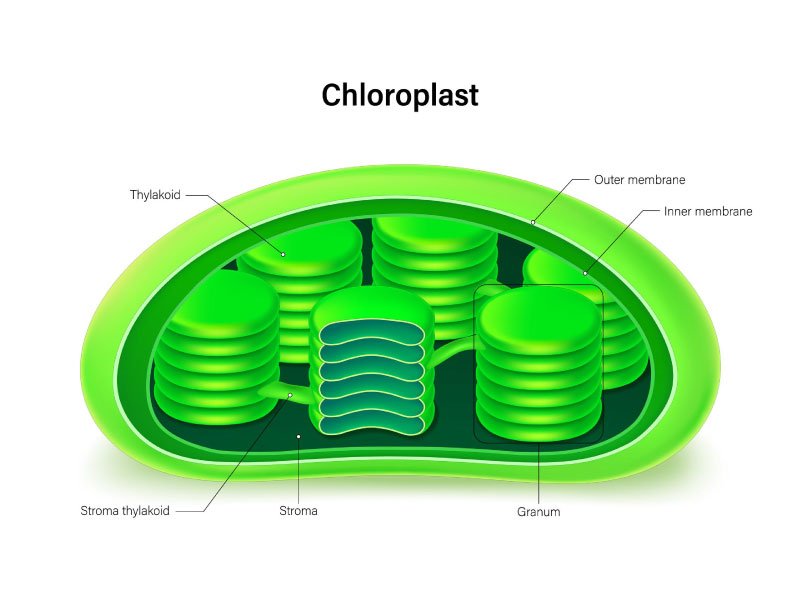
Chloroplasts are specialized organelles found in plants and many algae. They perform photosynthesis, the process through which light energy is converted into chemical energy.
Structure:
- Surrounded by a double membrane.
- Contain chlorophyll, a green pigment that absorbs light.
- Have internal membrane sacs called thylakoids.
- Thylakoids are arranged in stacks called grana.
- The surrounding fluid is called the stroma.
Functions of chloroplasts:
- Photosynthesis: Convert light energy into chemical energy.
- Glucose production: Support the production of carbohydrates using carbon dioxide and water.
- Oxygen release: Release oxygen as a by-product of oxygenic photosynthesis.
- Carbon fixation: Incorporate carbon dioxide into organic molecules through the Calvin cycle.
The overall simplified photosynthesis equation is:
\[ 6CO_2+6H_2O+\text{light energy} \rightarrow C_6H_{12}O_6+6O_2 \]
Important fact: Chloroplasts contain their own DNA and ribosomes, supporting the endosymbiotic theory of their evolutionary origin.
2.10 Cytoskeleton
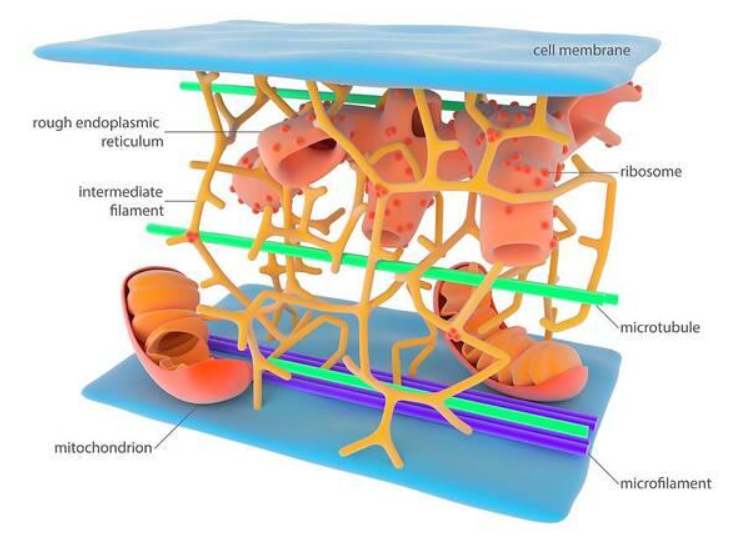
The cytoskeleton is a network of protein filaments that provides structural support and helps organize the interior of eukaryotic cells.
Although it is not a membrane-bound organelle, it is an essential cellular structure.
Three major components:
- Microfilaments: Mainly composed of actin proteins. They support cell movement, shape changes, and muscle contraction.
- Intermediate filaments: Provide mechanical strength and help cells resist physical stress.
- Microtubules: Made of tubulin proteins. They support intracellular transport, chromosome separation, and the structure of cilia and flagella.
Functions of the cytoskeleton:
- Maintains cell shape.
- Supports cellular movement.
- Helps position organelles.
- Provides tracks for intracellular transport.
- Participates in cell division.
2.11 Centrosome and Centrioles

The centrosome is a major microtubule-organizing center in many animal cells. It commonly contains two centrioles positioned approximately perpendicular to one another.
Functions:
- Organizes microtubules.
- Helps establish the mitotic spindle during cell division.
- Contributes to the organization of the cellular cytoskeleton.
- Centrioles can participate in the formation of basal bodies, which organize cilia and flagella.
Important fact: Most higher plant cells do not have typical centrioles, yet they can successfully organize microtubules and undergo cell division.
2.12 Cilia and Flagella
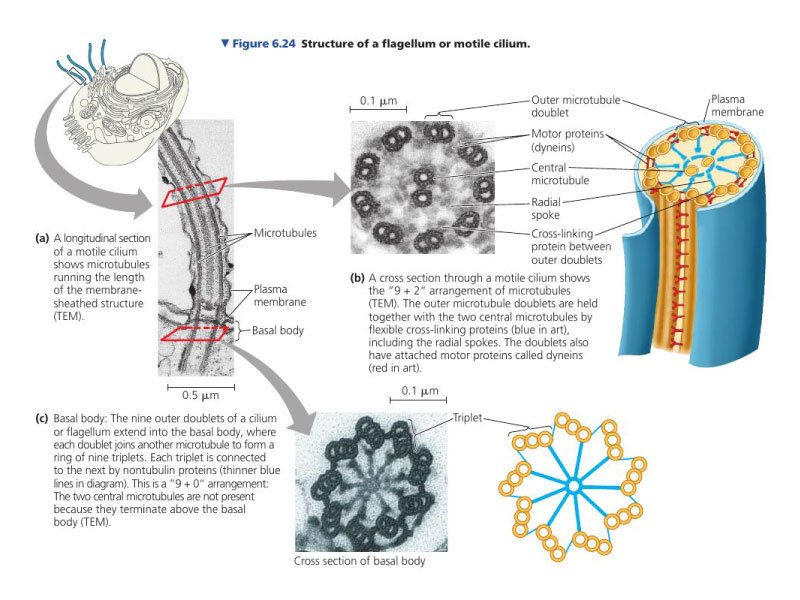
Cilia and flagella are specialized cell-surface structures that help certain cells move or move substances across their surfaces.
Cilia:
- Usually short and numerous.
- Move fluid or particles along cell surfaces.
- Found in the respiratory tract, where they help move mucus and trapped particles.
Flagella:
- Usually longer and fewer in number.
- Help propel certain cells.
- The human sperm cell has a flagellum that enables movement.
Important fact: Many motile eukaryotic cilia and flagella have a characteristic 9+2 arrangement of microtubules in their internal axoneme.
3. Summary Table: Cell Organelles and Their Functions
The following table provides a quick overview of the major cell organelles and their primary functions.
| Cell organelle | Main function |
|---|---|
| Nucleus | Stores DNA and regulates gene expression |
| Mitochondria | Generate most cellular ATP during aerobic respiration |
| Ribosomes | Synthesize proteins |
| Rough ER | Synthesizes and processes many secreted and membrane proteins |
| Smooth ER | Synthesizes lipids and participates in detoxification |
| Golgi apparatus | Modifies, sorts, and packages proteins and lipids |
| Lysosomes | Digest and recycle cellular materials |
| Peroxisomes | Break down certain fatty acids and hydrogen peroxide |
| Vacuoles | Store water, nutrients, and waste materials |
| Chloroplasts | Carry out photosynthesis |
| Cytoskeleton | Maintains cell shape and supports movement |
| Centrosome | Organizes microtubules |
| Cilia | Move substances across cell surfaces |
| Flagella | Help certain cells move |
4. Differences Between Plant Cell and Animal Cell Organelles
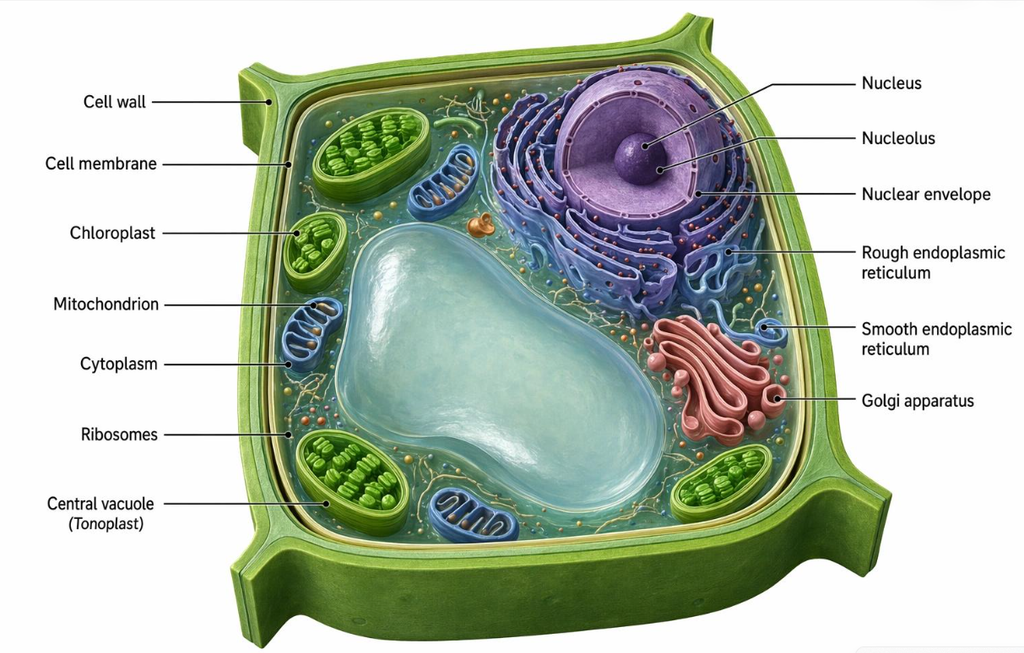
Plant and animal cells are both eukaryotic cells. They share many important organelles, but some structures are specialized for their different biological requirements.
Major differences
| Structure | Plant cells | Animal cells |
|---|---|---|
| Cell wall | Present | Absent |
| Plasma membrane | Present | Present |
| Nucleus | Present in most cells | Present in most cells |
| Mitochondria | Present | Present |
| Chloroplasts | Present in photosynthetic cells | Absent |
| Large central vacuole | Usually present in mature cells | Usually absent |
| Ribosomes | Present | Present |
| Golgi apparatus | Present | Present |
| Endoplasmic reticulum | Present | Present |
| Lysosomes | Lytic vacuoles often perform similar functions | Commonly present |
| Centrosomes with centrioles | Typically absent in higher plants | Commonly present |
| Cytoskeleton | Present | Present |
Why do plant cells have chloroplasts?
Plant cells in photosynthetic tissues contain chloroplasts to capture sunlight and manufacture organic molecules through photosynthesis.
Why do plant cells have a large central vacuole?
The large central vacuole stores water and helps maintain turgor pressure, supporting the structure of the plant.
Why do animal cells not have a cell wall?
Animal cells lack a rigid cell wall, allowing greater flexibility in shape, movement, and interactions with surrounding tissues.OpenStax+2
5. Are Organelles Found in Prokaryotic Cells?
No. Prokaryotic cells do not have a membrane-bound nucleus or the typical membrane-bound organelles found in eukaryotic cells.
Bacteria and archaea are examples of prokaryotic organisms.
However, prokaryotic cells still contain essential structures that enable them to survive.
These include:
- Plasma membrane: Controls the movement of substances into and out of the cell.
- Cytoplasm: Provides the environment for many metabolic reactions.
- Ribosomes: Manufacture proteins.
- Nucleoid: Contains the cell’s main DNA, which is not enclosed by a nuclear membrane.
- Cell wall: Provides protection and structural support in many prokaryotes.
Some prokaryotes also contain plasmids, capsules, pili, and flagella.
The key difference is that eukaryotic cells have a membrane-enclosed nucleus and a more extensive system of membrane-bound compartments, whereas prokaryotic cells do not. OpenStax+1
6. How Do Cell Organelles Work Together?
Cell organelles do not perform their functions independently. They work together through coordinated biological processes.
For example, consider how a cell produces and releases a protein:

- Nucleus: DNA contains the instructions for making the protein. A messenger RNA copy is produced through transcription.
- Ribosomes: Translate the mRNA into an amino acid chain.
- Rough endoplasmic reticulum: Newly synthesized proteins enter the ER, where they fold and undergo processing.
- Transport vesicles: Carry proteins from the ER toward the Golgi apparatus.
- Golgi apparatus: Modifies, sorts, and packages proteins.
- Secretory vesicles: Transport proteins toward the plasma membrane.
- Plasma membrane: Allows the appropriate proteins to be released through exocytosis.
This coordinated process demonstrates how different organelles work together to maintain normal cellular activities.
7. Why Are Cell Organelles Important?
Cell organelles are essential because they divide cellular activities into specialized processes. This organization makes complex biochemical activities more efficient and helps maintain the internal environment of the cell.
Their importance includes:
- Energy production: Mitochondria generate ATP required for cellular activities.
- Genetic regulation: The nucleus stores DNA and regulates gene expression.
- Protein synthesis: Ribosomes produce proteins required for cell structure and function.
- Material transportation: The ER, Golgi apparatus, and vesicles help transport and distribute cellular materials.
- Waste management: Lysosomes and peroxisomes participate in cellular breakdown and detoxification.
- Cellular protection: Membrane-bound compartments help separate potentially harmful reactions from other cellular activities.
- Growth and development: Organelles support cell growth, differentiation, and reproduction.
- Homeostasis: Coordinated organelle activities help maintain a stable internal cellular environment.
8. Interesting Facts About Cell Organelles
Here are some scientifically interesting facts about cellular structures:
- Mitochondria contain their own DNA, separate from nuclear DNA.
- Chloroplasts contain chlorophyll, which absorbs light energy for photosynthesis.
- Ribosomes are found in both prokaryotic and eukaryotic cells.
- The nucleolus is involved in producing ribosomal RNA and assembling ribosomal subunits.
- The Golgi apparatus was named after scientist Camillo Golgi.
- Lysosomes contain enzymes that break down biological molecules.
- Some specialized cells contain unusually large numbers of mitochondria because of their energy requirements.
- Mature human red blood cells lack nuclei and mitochondria.
- Plant cells can contain a central vacuole that occupies most of their internal volume.
- Some cells have cilia that move mucus and trapped particles along the respiratory tract.
9. Frequently Asked Questions (FAQs)
1. What are cell organelles?
Cell organelles are specialized structures inside cells that perform specific functions, such as energy production, protein synthesis, digestion, and transportation of materials.
2. What are the 10 main cell organelles?
Ten commonly studied cellular organelles and structures are the nucleus, mitochondria, ribosomes, endoplasmic reticulum, Golgi apparatus, lysosomes, peroxisomes, vacuoles, chloroplasts, and centrosomes. Their presence varies between cell types.
3. Which organelle is known as the powerhouse of the cell?
Mitochondria are known as the powerhouse of the cell because they generate most of the ATP produced during aerobic cellular respiration in many eukaryotic cells.
4. Which organelle controls the activities of a eukaryotic cell?
The nucleus plays a major role in regulating cellular activities by storing DNA and controlling gene expression.
5. Which organelle is responsible for protein synthesis?
Ribosomes are responsible for protein synthesis. They translate the genetic instructions carried by messenger RNA into proteins.
6. Which organelle is responsible for photosynthesis?
Chloroplasts are responsible for photosynthesis in plants and many algae.
7. Which organelle is responsible for packaging proteins?
The Golgi apparatus modifies, sorts, and packages proteins into vesicles for transport to their destinations.
8. What is the difference between rough and smooth endoplasmic reticulum?
Rough ER has ribosomes attached to its surface and synthesizes many secreted and membrane proteins. Smooth ER lacks attached ribosomes and participates in lipid synthesis, detoxification, and calcium storage.
9. Do prokaryotic cells have organelles?
Prokaryotic cells have structures such as ribosomes and a plasma membrane, but they lack a membrane-bound nucleus and the typical membrane-bound organelles of eukaryotic cells.
10. Why are lysosomes important?
Lysosomes contain digestive enzymes that break down unwanted materials, damaged cellular components, and certain substances taken into the cell.
10. Conclusion
Cell organelles are essential components of eukaryotic cells, each performing specialized functions that contribute to cellular survival and normal biological activities.
The nucleus stores genetic information, mitochondria generate ATP, ribosomes synthesize proteins, and the endoplasmic reticulum and Golgi apparatus help process and transport cellular materials. Lysosomes and peroxisomes contribute to cellular breakdown and detoxification, while chloroplasts and central vacuoles perform important functions in plant cells.
All these structures work together to maintain cellular organization, metabolism, growth, and homeostasis.
Understanding cell organelles provides a foundation for learning more advanced biological subjects, including molecular biology, genetics, human physiology, and cell biology.
11. References and Scientific Sources
1. OpenStax – Biology 2e, Section 4.3: Eukaryotic Cells.
Read the scientific reference.
2. OpenStax – Anatomy and Physiology, Section 3.2: The Cytoplasm and Cellular Organelles.
Read the scientific reference.
3. OpenStax – Biology 2e, Section 4.5: The Cytoskeleton.
Read the scientific reference.
4. NCBI Bookshelf – Molecular Biology of the Cell: The Compartmentalization of Cells.
Read the scientific reference.
5. Khan Academy – Cellular Organelles and Structure.
Read the educational reference.
6. OpenStax – Biology 2e, Chapter 4 Summary.
Read the chapter summary.

[…] cell is the smallest structural and functional unit of life. It is capable of performing essential biological activities, including metabolism, […]