

The human digestive system is one of the most essential biological systems in the body. It is responsible for breaking down food into smaller molecules, absorbing nutrients and water, and eliminating undigested waste. Through a coordinated series of mechanical and chemical processes, the digestive system supplies the body with energy, essential nutrients, and building blocks needed for growth, tissue repair, cellular metabolism, and maintaining overall health.
From the moment food enters the mouth until the remaining waste is eliminated through the anus, several organs, enzymes, muscles, and digestive secretions work together to make digestion possible. Understanding the digestive system helps explain how the body obtains nutrients from food and maintains its physiological functions.
What Is the Digestive System?
The digestive system is a group of organs and associated structures that work together to ingest food, break it down mechanically and chemically, absorb nutrients and water, and eliminate waste products that cannot be digested or absorbed.
The digestive system consists of the gastrointestinal (GI) tract, also called the alimentary canal, and several accessory digestive organs. The gastrointestinal tract is a continuous muscular tube extending from the mouth to the anus. It includes the mouth, pharynx, esophagus, stomach, small intestine, large intestine, rectum, and anus.
Accessory digestive organs, including the salivary glands, liver, gallbladder, and pancreas, assist digestion by producing, storing, or releasing substances that help break down food.
The primary purpose of the digestive system is to convert food into absorbable nutrients that the body can use for energy, growth, cellular maintenance, and tissue repair.
Major Organs of the Digestive System
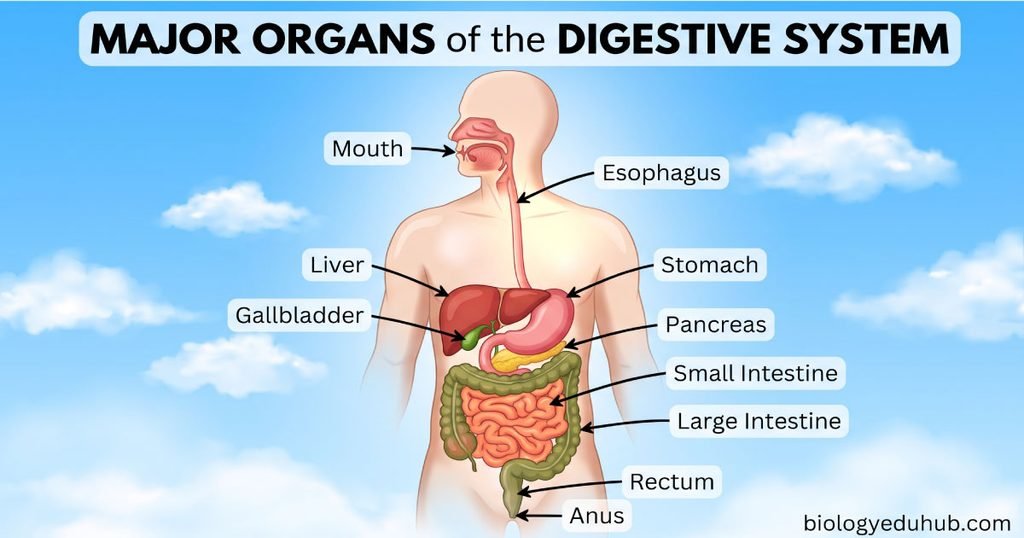
The digestive tract consists of several organs, each performing specific functions during the digestion and absorption of food.
1. Mouth (Oral Cavity)
The mouth is the entry point of food into the digestive system. Digestion begins in the oral cavity through mechanical and chemical processes.
The teeth mechanically break food into smaller pieces through chewing, a process called mastication. The tongue helps move food, mix it with saliva, and form a soft mass called a bolus, which is prepared for swallowing.
Saliva, produced by the salivary glands, moistens food and contains enzymes such as salivary amylase, which begins the digestion of starch.
Functions of the mouth:
- Ingests food and liquids.
- Breaks food into smaller particles through chewing.
- Mixes food with saliva.
- Begins carbohydrate digestion.
- Forms a bolus for swallowing.
2. Pharynx (Throat)
The pharynx is a muscular passageway that connects the oral cavity to the esophagus during swallowing. It also serves as a passageway for air between the nasal cavity and the larynx.
During swallowing, the pharynx helps transfer the food bolus from the mouth into the esophagus. The swallowing process involves coordinated muscular movements and protective mechanisms that help prevent food from entering the respiratory tract.
3. Esophagus
The esophagus is a muscular tube that connects the pharynx to the stomach. It transports swallowed food and liquids toward the stomach through coordinated muscular contractions called peristalsis.
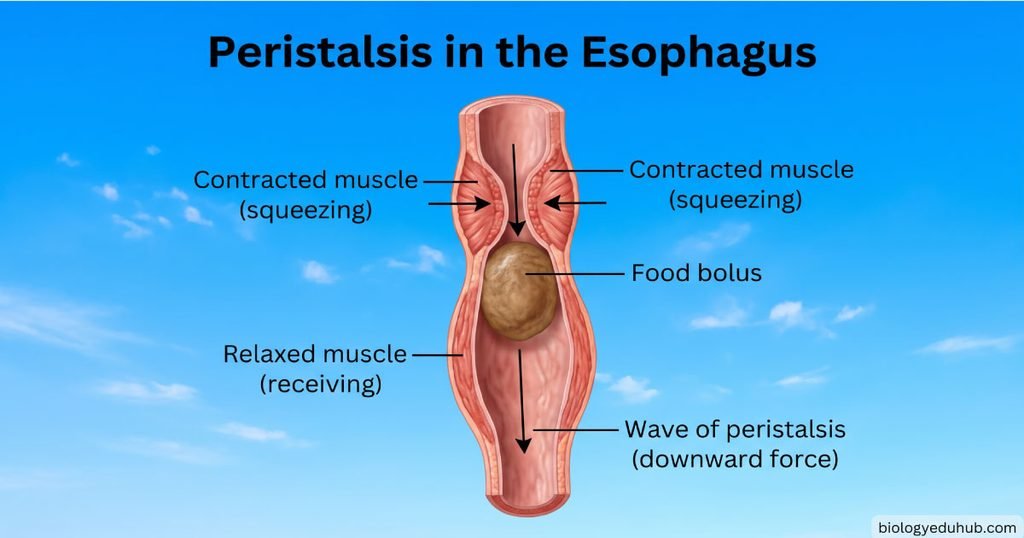
Peristalsis consists of rhythmic, wave-like contractions of smooth muscle that propel food through the digestive tract. The esophagus also contains sphincters that regulate the movement of food and help prevent unwanted reflux.
The lower esophageal sphincter helps prevent acidic stomach contents from flowing back into the esophagus.
4. Stomach
The stomach is a muscular, hollow organ located in the upper abdomen, mainly on the left side. It temporarily stores food, mixes it with gastric secretions, and begins the digestion of proteins.
The stomach secretes gastric juice containing hydrochloric acid (HCl), pepsinogen, mucus, and other substances. Hydrochloric acid creates an acidic environment that helps denature proteins and activates pepsinogen into pepsin, an enzyme that breaks proteins into smaller peptides.
The muscular walls of the stomach contract to mix food with gastric juice, forming a semi-liquid mixture called chyme.

Major functions of the stomach:
- Temporarily stores ingested food.
- Mechanically mixes food with gastric secretions.
- Begins protein digestion.
- Secretes hydrochloric acid.
- Produces intrinsic factor, which is necessary for vitamin B12 absorption in the terminal ileum.
- Releases chyme gradually into the small intestine.
5. Small Intestine
The small intestine is the primary site of chemical digestion and nutrient absorption. It is a long, highly folded tube located in the abdominal cavity and consists of three major sections:
- Duodenum: The first section of the small intestine. It receives chyme from the stomach, bile from the liver and gallbladder, and pancreatic secretions from the pancreas.
- Jejunum: The middle section, where much of the absorption of nutrients occurs.
- Ileum: The final section, which absorbs remaining nutrients, including vitamin B12 bound to intrinsic factor and bile salts.
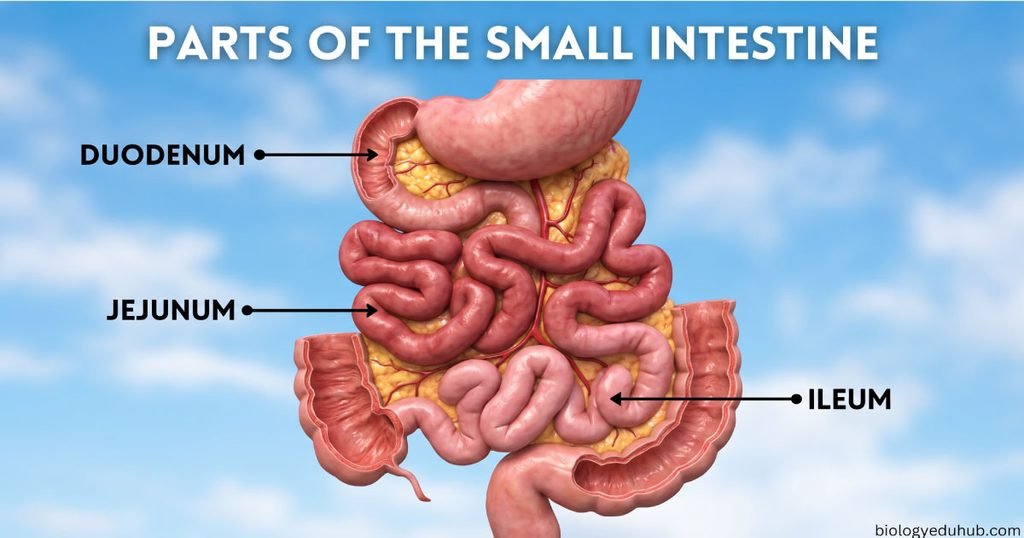
The small intestine contains specialized structures called villi and microvilli that increase its surface area, making nutrient absorption more efficient.
The intestinal lining contains enterocytes and other specialized cells that help absorb nutrients, regulate intestinal functions, and maintain the barrier between the intestinal contents and the internal body environment.
Major functions of the small intestine:
- Completes the digestion of carbohydrates, proteins, and fats.
- Absorbs amino acids, glucose, fatty acids, vitamins, minerals, and other nutrients.
- Absorbs vitamin B12 and bile salts in the terminal ileum.
- Receives bile and pancreatic digestive enzymes.
- Transfers absorbed nutrients into the blood or lymphatic circulation.
6. Large Intestine
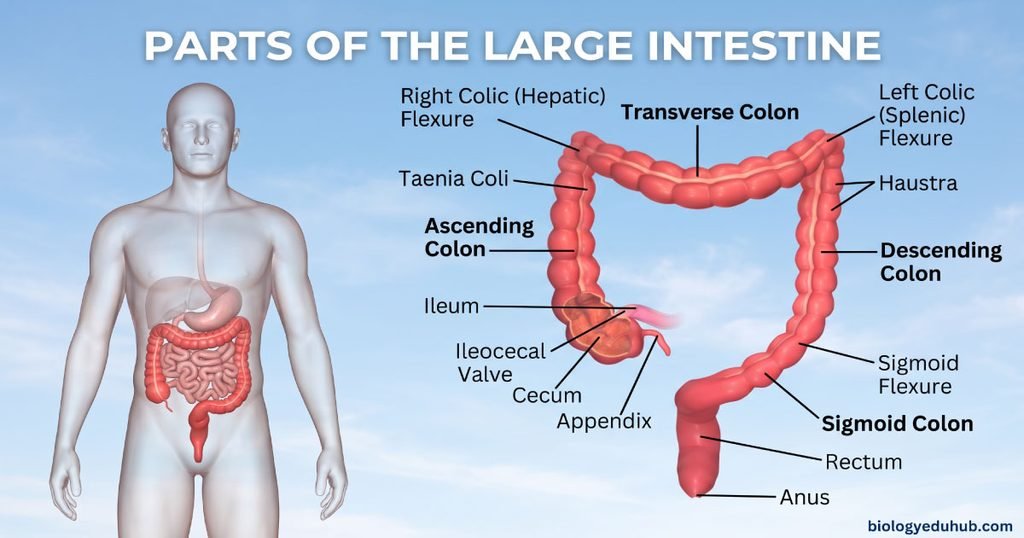
The large intestine is the final major section of the gastrointestinal tract. It includes the cecum, colon, rectum, and anal canal. The colon is commonly divided into the ascending, transverse, descending, and sigmoid colon.
The large intestine absorbs water and electrolytes from intestinal contents and helps form and store feces. It also contains a diverse community of microorganisms known as the gut microbiota.
These microorganisms ferment certain dietary fibers and produce substances such as short-chain fatty acids, which contribute to intestinal and metabolic health.
Major functions of the large intestine:
- Absorbs water and electrolytes.
- Forms and stores feces.
- Supports the intestinal microbiota.
- Ferments certain dietary fibers.
- Helps maintain intestinal health.
7. Rectum and Anus
The rectum is the final section of the large intestine. It temporarily stores feces before elimination.
The anus is the terminal opening of the digestive tract. Defecation is regulated by the rectum, nervous system, and anal sphincter muscles.
The internal anal sphincter consists of smooth muscle and is controlled involuntarily, while the external anal sphincter consists of skeletal muscle and can be controlled voluntarily under normal circumstances.
Together, these structures help regulate the elimination of fecal waste.
Accessory Organs of the Digestive System
Accessory organs play an important role in digestion, although food does not pass directly through most of these organs.
1. Liver
The liver is one of the largest internal organs of the human body. It is located in the upper-right portion of the abdominal cavity, beneath the diaphragm.
The liver produces bile, a fluid that helps emulsify fats, making large fat droplets easier for digestive enzymes to act upon. Bile also helps the absorption of fat and fat-soluble vitamins.
Digestive and metabolic functions of the liver:
- Produces bile for fat digestion.
- Processes absorbed nutrients arriving through the portal circulation.
- Stores glycogen, vitamins, and minerals.
- Regulates blood glucose levels.
- Metabolizes various substances, including drugs and toxins.
- Produces important blood proteins.
2. Gallbladder
The gallbladder is a small, pear-shaped organ located beneath the liver. It stores and concentrates bile produced by the liver.
When a meal containing fat enters the small intestine, hormones such as cholecystokinin (CCK) stimulate gallbladder contraction and promote bile release into the duodenum.
Functions of the gallbladder:
- Stores bile between meals.
- Concentrates bile by absorbing water and electrolytes.
- Releases bile into the small intestine during digestion.
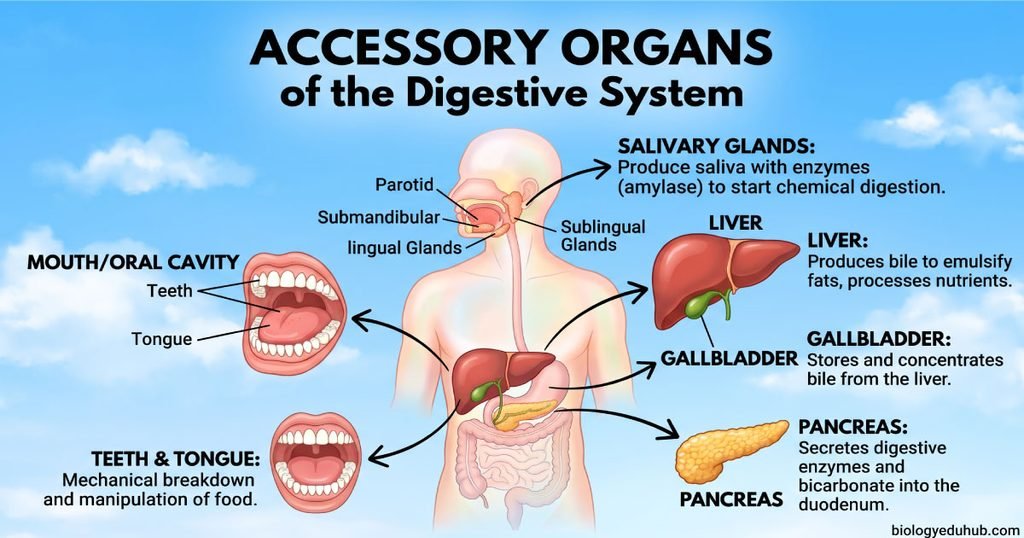
3. Pancreas
The pancreas is an elongated gland located behind the stomach. It plays an important role in both digestion and endocrine regulation.
The exocrine pancreas produces pancreatic juice containing digestive enzymes and bicarbonate. This secretion enters the duodenum and helps digest carbohydrates, proteins, fats, and nucleic acids while neutralizing acidic chyme from the stomach.
Digestive functions of the pancreas:
- Produces pancreatic amylase for carbohydrate digestion.
- Produces pancreatic lipase for fat digestion.
- Produces protease precursors, such as trypsinogen and chymotrypsinogen, for protein digestion.
- Produces nucleases for nucleic acid digestion.
- Secretes bicarbonate to help neutralize stomach acid entering the duodenum.
The endocrine pancreas also produces hormones such as insulin and glucagon, which help regulate blood glucose levels.
4. Salivary Glands
The salivary glands produce saliva, which lubricates food and begins the digestion of starch.
The three major pairs of salivary glands are:
- Parotid glands: Located near the ears.
- Submandibular glands: Located beneath the lower jaw.
- Sublingual glands: Located beneath the tongue.
Saliva contains water, electrolytes, mucus, salivary amylase, and other substances that help maintain oral health and facilitate digestion.
Functions of the Digestive System
The digestive system performs several essential functions that enable the body to obtain and use nutrients from food.
1. Ingestion
Ingestion is the process of taking food and liquids into the body through the mouth. It is the first step in the digestive process.
Food is consumed, chewed, mixed with saliva, and prepared for swallowing.
2. Mechanical Digestion
Mechanical digestion involves the physical breakdown of food into smaller pieces without changing its chemical composition.
It occurs through:
- Chewing in the mouth.
- Mixing and churning in the stomach.
- Segmentation and mixing in the small intestine.
Mechanical digestion increases the surface area of food, allowing digestive enzymes to act more effectively.
3. Chemical Digestion
Chemical digestion involves the breakdown of complex food molecules into simpler substances through enzymatic reactions.
For example:
- Carbohydrates are broken down into monosaccharides, such as glucose.
- Proteins are broken down into amino acids and small peptides.
- Triglycerides are broken down into fatty acids and monoglycerides, with other lipid products also formed.
These smaller molecules can then be absorbed through the intestinal lining.
4. Absorption
Absorption is the process through which digested nutrients, water, and electrolytes pass from the gastrointestinal tract into the blood or lymph.
Most nutrient absorption occurs in the small intestine. The large intestine primarily absorbs water and electrolytes and also absorbs certain products of microbial metabolism.
5. Elimination
Elimination, or defecation, is the process of removing undigested and unabsorbed material from the body as feces.
Waste material is collected in the rectum and expelled through the anus during bowel movements.
How Does the Digestive System Work?
The digestive system works through coordinated mechanical movements, enzymatic reactions, hormonal signals, and absorption processes. Digestion begins in the mouth and continues throughout the gastrointestinal tract until waste products are eliminated.
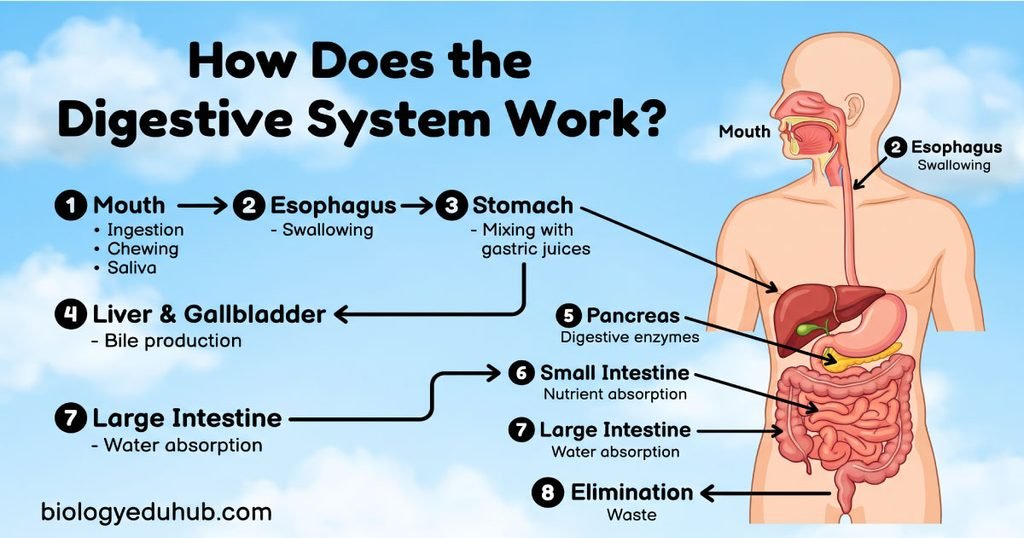
Step 1: Food Enters the Mouth
When food enters the mouth, the teeth break it into smaller pieces through chewing. The tongue moves food around the oral cavity and mixes it with saliva.
Salivary amylase begins the digestion of starch, while saliva lubricates food and helps form a bolus.
Step 2: Swallowing Moves Food into the Esophagus
The tongue pushes the bolus toward the pharynx. Swallowing involves coordinated actions of the oral cavity, pharynx, and esophagus.
The epiglottis and other swallowing structures help protect the airway during swallowing.
Once food enters the esophagus, peristaltic contractions move it toward the stomach.
Step 3: The Stomach Mixes and Digests Food
The stomach receives the food bolus and mixes it with gastric juice.
Hydrochloric acid creates an acidic environment, while pepsin begins protein digestion. Gastric muscular contractions mix the food and secretions to produce chyme.
The stomach gradually releases chyme into the duodenum through the pyloric sphincter.
Step 4: The Small Intestine Completes Digestion
In the duodenum, chyme mixes with bile and pancreatic juice.
- Bile helps emulsify fats.
- Pancreatic amylase breaks down starch.
- Pancreatic proteases break down proteins.
- Pancreatic lipase breaks down triglycerides.
- Bicarbonate neutralizes acidic chyme.
Enzymes on the intestinal lining further digest carbohydrates and peptides. The jejunum and ileum absorb most nutrients as food moves through the small intestine.
Step 5: Nutrients Are Absorbed
The small intestine contains villi and microvilli that greatly increase the surface area available for absorption.
Glucose, amino acids, minerals, and many water-soluble nutrients enter blood capillaries. Most absorbed long-chain fatty acids and other lipid products are processed into triglycerides and packaged into chylomicrons, which enter lymphatic vessels called lacteals.
The lymphatic system subsequently transports these lipid-rich particles into the bloodstream.
Step 6: The Large Intestine Absorbs Water
The remaining intestinal contents enter the large intestine.
The large intestine absorbs water and electrolytes, while intestinal bacteria ferment some undigested carbohydrates and fibers. The remaining material becomes more solid as feces.
Step 7: Waste Is Eliminated
Feces are stored in the rectum until defecation occurs.
The rectum, nervous system, and anal sphincter muscles coordinate the process of eliminating waste through the anus.
The overall digestive process is coordinated by the enteric nervous system, autonomic nervous system, and gastrointestinal hormones, including gastrin, secretin, and cholecystokinin.
The Five Major Stages of Digestion
The digestive process can be divided into five major physiological stages.
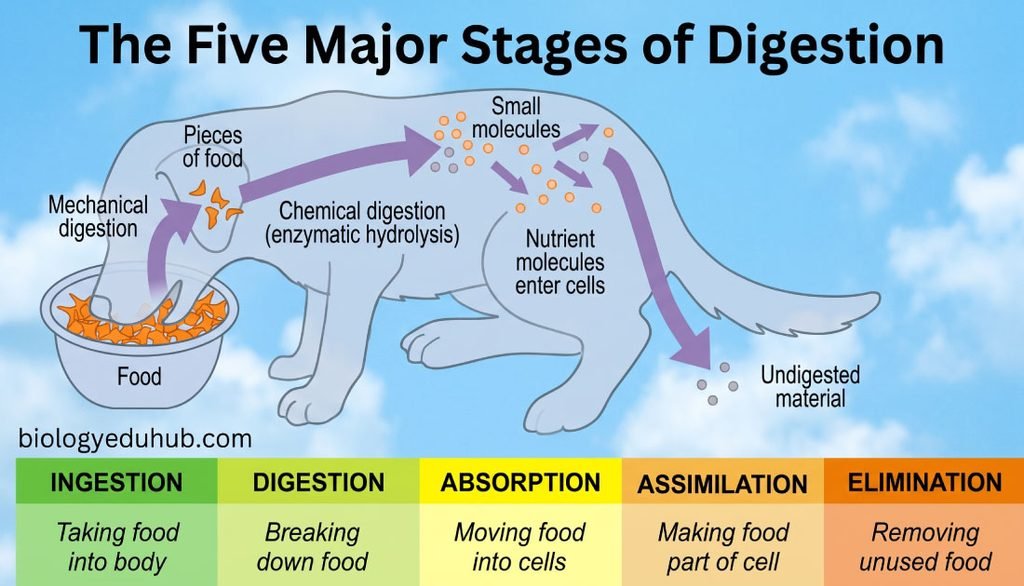
| Stage | Description |
|---|---|
| Ingestion | Taking food and liquids into the mouth. |
| Digestion | Breaking food into smaller molecules through mechanical and chemical processes. |
| Absorption | Transporting nutrients and water from the digestive tract into the blood or lymph. |
| Assimilation | Using absorbed nutrients in tissues for energy, growth, storage, and repair. |
| Elimination | Removing undigested and unabsorbed materials as feces. |
Digestive Enzymes and Their Functions
Digestive enzymes are biological catalysts that accelerate the breakdown of food molecules into substances that can be absorbed by the body.
Different enzymes act on different types of nutrients.
| Enzyme | Source | Major Function |
|---|---|---|
| Salivary amylase | Salivary glands | Begins starch digestion. |
| Pepsin | Stomach | Breaks proteins into smaller peptides. |
| Pancreatic amylase | Pancreas | Digests starch into smaller carbohydrate products. |
| Trypsin | Pancreas | Breaks proteins and peptides into smaller peptides. |
| Chymotrypsin | Pancreas | Digests proteins into smaller peptides. |
| Pancreatic lipase | Pancreas | Breaks triglycerides into fatty acids and monoglycerides. |
| Maltase | Small intestine | Converts maltose into glucose. |
| Sucrase | Small intestine | Breaks sucrose into glucose and fructose. |
| Lactase | Small intestine | Breaks lactose into glucose and galactose. |
| Peptidases | Small intestine | Break peptides into smaller peptides and amino acids. |
Digestive enzymes are essential for nutrient breakdown. Without adequate digestive enzyme activity, the body may have difficulty digesting and absorbing certain nutrients, depending on the enzyme deficiency.
Nutrient Absorption in the Digestive System
Nutrient absorption is one of the most important functions of the digestive system. After food is digested into smaller molecules, these substances cross the intestinal lining and enter the circulation.
1. Carbohydrate Absorption
Carbohydrates are digested into monosaccharides, primarily glucose, galactose, and fructose.
These monosaccharides are absorbed through intestinal epithelial cells and transported into the blood. The portal circulation carries most absorbed sugars to the liver, where they are processed, stored, or released into the bloodstream as needed.
2. Protein Absorption
Proteins are digested into amino acids and small peptides.
Amino acids and certain small peptides are absorbed by intestinal epithelial cells. Small peptides are often further broken down into amino acids within enterocytes. Amino acids enter the portal blood and are transported to the liver and other tissues for protein synthesis and metabolism.
3. Fat Absorption
Dietary fats are emulsified by bile salts and digested mainly by pancreatic lipase.
The digestion products form micelles with bile salts, which help deliver lipids to the intestinal surface for absorption. Long-chain fatty acids and monoglycerides enter enterocytes, where they are reassembled into triglycerides and packaged into chylomicrons.
Chylomicrons enter intestinal lymphatic vessels and eventually reach the bloodstream.
4. Vitamin Absorption
The digestive system absorbs vitamins through different mechanisms.
- Fat-soluble vitamins: Vitamins A, D, E, and K are absorbed along with dietary lipids.
- Water-soluble vitamins: Most B vitamins and vitamin C are absorbed through specific transport mechanisms or diffusion, depending on the vitamin.
- Vitamin B12: Requires intrinsic factor produced by the stomach and is absorbed primarily in the terminal ileum.
5. Mineral Absorption
Minerals such as iron, calcium, magnesium, zinc, and phosphorus are absorbed through the intestinal lining.
The absorption of some minerals is influenced by dietary composition, physiological requirements, and regulatory hormones.
6. Water Absorption
Water is absorbed throughout the gastrointestinal tract, with substantial absorption occurring in the small intestine and additional absorption in the large intestine.
Water absorption helps maintain fluid balance and supports the formation of appropriately hydrated feces.
How the Digestive System Supports Overall Health
The digestive system does more than break down food. It contributes to several important physiological processes.
1. Provides Energy
The digestive system supplies glucose, fatty acids, amino acids, and other nutrients that cells use to produce energy and maintain cellular activities.
2. Supports Growth and Tissue Repair
Protein-derived amino acids and other nutrients help build and repair tissues, including muscles, skin, and organs.
3. Supports Immune Function
The gastrointestinal tract contains immune tissues, specialized epithelial cells, and immune cells that help protect the body from harmful microorganisms and maintain immune balance.
The gut-associated lymphoid tissue (GALT) is an important component of the body’s immune system.
4. Maintains the Gut Microbiome
The gut microbiome consists of microorganisms living in the gastrointestinal tract.
These microbes help ferment certain dietary fibers, produce metabolites such as short-chain fatty acids, and interact with intestinal and immune functions.
5. Helps Maintain Fluid and Electrolyte Balance
The digestive tract absorbs water and electrolytes such as sodium, potassium, and chloride. These processes help maintain hydration and support normal physiological function.
Common Digestive System Problems
Digestive disorders can affect different organs of the gastrointestinal tract and may interfere with digestion, absorption, or elimination.
1. Gastroesophageal Reflux Disease (GERD)
GERD occurs when stomach contents repeatedly reflux into the esophagus, causing symptoms such as heartburn, regurgitation, or other complications.
2. Constipation
Constipation is characterized by infrequent bowel movements, difficulty passing stool, or hard stools. It may be associated with low fiber intake, insufficient fluid intake, inactivity, medications, or underlying medical conditions.
3. Diarrhea
Diarrhea involves loose or watery stools, often accompanied by increased bowel frequency. It may result from infections, food intolerance, medications, or digestive disorders.
4. Peptic Ulcers
Peptic ulcers are sores in the lining of the stomach or duodenum. Common causes include Helicobacter pylori infection and the use of nonsteroidal anti-inflammatory drugs (NSAIDs).
5. Irritable Bowel Syndrome (IBS)
IBS is a functional gastrointestinal disorder characterized by abdominal pain associated with bowel habits, including diarrhea, constipation, or both. It does not necessarily involve structural damage to the intestinal lining.
6. Inflammatory Bowel Disease (IBD)
IBD includes chronic inflammatory disorders such as Crohn’s disease and ulcerative colitis. These conditions involve inflammation of the gastrointestinal tract and may cause abdominal pain, diarrhea, fatigue, and other symptoms.
7. Lactose Intolerance
Lactose intolerance occurs when insufficient lactase activity in the small intestine leads to difficulty digesting lactose, the sugar found in milk and dairy products. Symptoms may include bloating, gas, abdominal discomfort, and diarrhea.
Persistent digestive symptoms, unexplained weight loss, gastrointestinal bleeding, severe abdominal pain, or ongoing vomiting warrant medical evaluation.
Tips for Maintaining a Healthy Digestive System
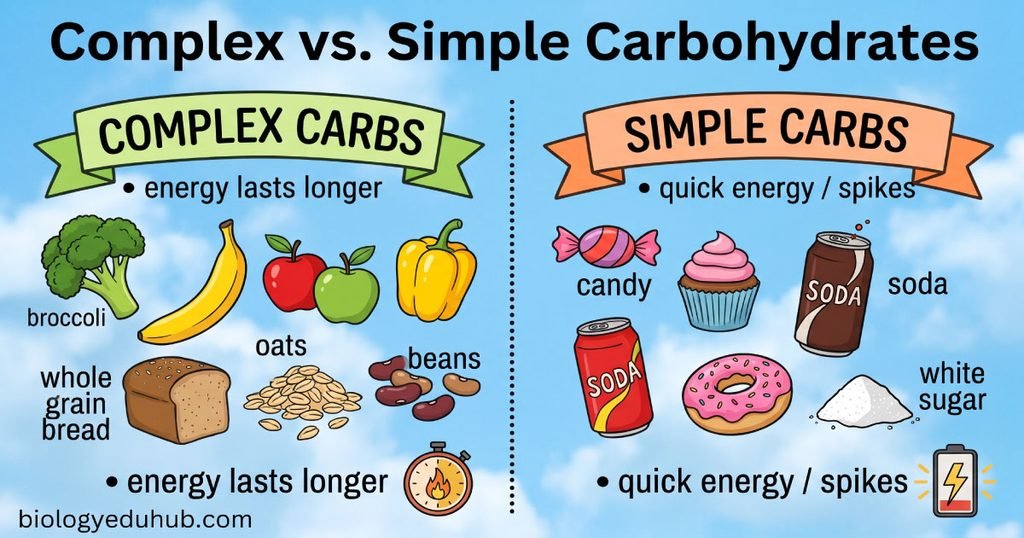
Maintaining a healthy digestive system is essential for overall well-being. Healthy eating habits, physical activity, hydration, and good lifestyle practices can support normal digestive function.
1. Eat Fiber-Rich Foods
Include fiber-rich foods such as vegetables, fruits, legumes, nuts, seeds, and whole grains. Dietary fiber helps support bowel regularity and can nourish beneficial gut microorganisms.
2. Drink Adequate Water
Adequate fluid intake supports digestion, nutrient absorption, and bowel movements. Water helps soften stools and reduces the risk of dehydration.
3. Eat a Balanced Diet
Consume a balanced diet containing carbohydrates, proteins, healthy fats, vitamins, minerals, and fiber. A diverse diet can support nutritional health and the gut microbiome.
4. Exercise Regularly
Regular physical activity can help support normal intestinal motility and bowel regularity. Walking, swimming, cycling, and other moderate physical activities are beneficial for general health.
5. Chew Food Properly
Chewing food thoroughly helps break it into smaller pieces and mixes it with saliva. This supports swallowing and the early stages of digestion.
6. Avoid Excessive Alcohol Consumption
Excessive alcohol consumption can irritate the digestive tract and contribute to several digestive and liver-related health problems.
7. Maintain Healthy Eating Habits
Eating a varied, balanced diet, avoiding excessive intake of highly processed foods, and maintaining a consistent eating routine may support digestive health.
8. Get Enough Sleep
Adequate sleep supports overall physiological health, including processes that influence gastrointestinal function.
Conclusion
The digestive system is a complex and essential organ system that transforms food into nutrients the body can absorb and use. It consists of the gastrointestinal tract and accessory organs, including the liver, pancreas, gallbladder, and salivary glands.
Digestion involves ingestion, mechanical and chemical breakdown of food, nutrient absorption, assimilation, and elimination of waste. Each organ performs a specialized function, but all work together through coordinated muscular movements, digestive enzymes, hormones, and nervous system signals.
The small intestine is the primary site of nutrient digestion and absorption, while the large intestine plays an important role in water and electrolyte absorption, feces formation, and interactions with the gut microbiome.
Understanding how the digestive system works helps us appreciate the importance of proper nutrition, hydration, physical activity, and healthy lifestyle habits in maintaining digestive health and overall well-being.
Frequently Asked Questions (FAQs)
1. What is the digestive system?
The digestive system is a group of organs that break down food, absorb nutrients and water, and eliminate undigested waste from the body.
2. What are the main organs of the digestive system?
The main organs of the gastrointestinal tract are the mouth, pharynx, esophagus, stomach, small intestine, large intestine, rectum, and anus. Accessory organs include the salivary glands, liver, gallbladder, and pancreas.
3. Where does digestion begin?
Digestion begins in the mouth, where food is mechanically broken down by chewing and starch digestion begins through salivary amylase.
4. Which organ absorbs most nutrients?
The small intestine is the primary site of nutrient absorption, including most carbohydrates, proteins, fats, vitamins, and minerals.
5. What is the role of the stomach in digestion?
The stomach stores food, mixes it with gastric secretions, begins protein digestion, and gradually releases chyme into the small intestine.
6. What is the role of the liver in digestion?
The liver produces bile, which helps emulsify dietary fats and facilitates the absorption of lipids and fat-soluble vitamins.
7. What is peristalsis?
Peristalsis is the coordinated, wave-like contraction of gastrointestinal muscles that helps move food and digestive contents through the digestive tract.
8. What is the difference between digestion and absorption?
Digestion breaks food into smaller molecules, whereas absorption transports these molecules from the gastrointestinal tract into the blood or lymph.
References
The following authoritative scientific and medical resources support the information presented in this article.
1. National Institute of Diabetes and Digestive and Kidney Diseases (NIDDK). Your Digestive System & How It Works. National Institutes of Health (NIH).
2. MedlinePlus. Digestive System. U.S. National Library of Medicine.
Explore MedlinePlus digestive health information
3. OpenStax. Anatomy and Physiology 2e – The Digestive System.
Read the OpenStax Anatomy and Physiology textbook
4. National Institute of Diabetes and Digestive and Kidney Diseases (NIDDK). Digestive Diseases and Health Information.
Explore NIDDK digestive health resources
5. Cleveland Clinic. Digestive System.

[…] systems work together to control involuntary functions, including heartbeat, breathing, and blood vessel […]
[…] are membrane-bound organelles containing digestive enzymes that break down biological […]
[…] Human anatomy, for example, examines organs such as the heart, brain, lungs, kidneys, and digestive system. […]
[…] Meals containing refined carbohydrates may produce a relatively rapid rise in glucose, whereas meals containing fiber, protein, fat, and minimally processed carbohydrates may influence the speed of digestion and glucose absorption. […]