
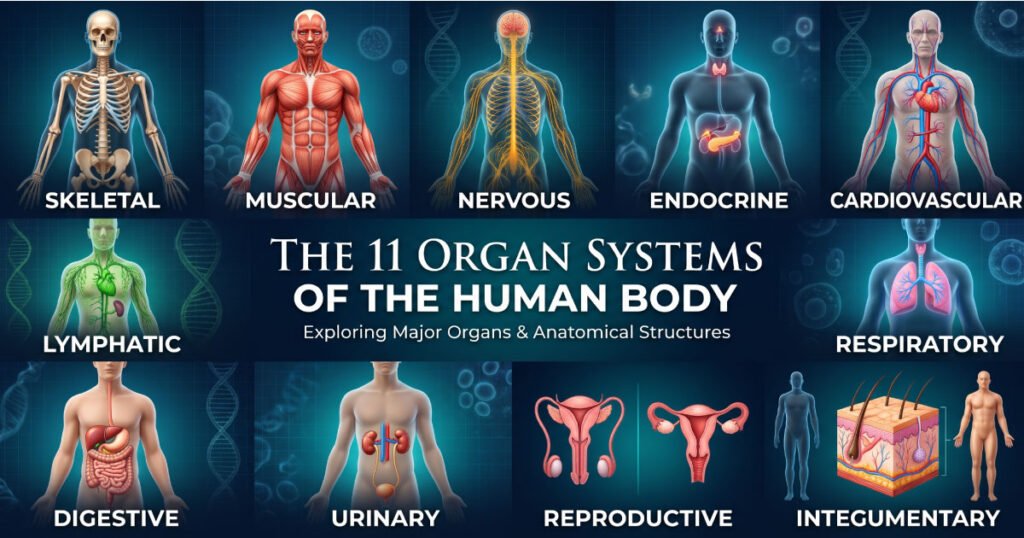
The human body is a complex biological system made up of trillions of cells, tissues, organs, and organ systems that work together to maintain life. Each organ performs specific functions, but many organs also cooperate within larger systems to regulate body activities, protect against disease, produce energy, transport substances, and maintain a stable internal environment.
In human anatomy and physiology, the body is commonly organized into 11 major organ systems. These systems include the integumentary, skeletal, muscular, nervous, endocrine, cardiovascular, lymphatic and immune, respiratory, digestive, urinary, and reproductive systems.
Understanding these 11 organ systems helps students learn how the human body functions as an integrated whole rather than as a collection of separate organs.
1. What Is an Organ System?
An organ system is a group of organs and associated tissues that work together to perform specific physiological functions necessary for the survival and health of an organism.
The human body is organized into several levels of biological structure:
- Cells: The basic structural and functional units of life.
- Tissues: Groups of similar cells that perform related functions.
- Organs: Structures composed of different tissues that perform specific functions.
- Organ systems: Groups of organs that coordinate activities to accomplish major physiological tasks.
- Organism: The complete living human being.
For example, the heart, arteries, veins, and capillaries are components of the cardiovascular system. Together, they circulate blood, deliver oxygen and nutrients to tissues, and help transport waste products away from cells.
Each organ system has specialized functions, but no system operates entirely independently. The body’s systems continuously communicate and coordinate to maintain homeostasis.
2. What Are the 11 Organ Systems of the Human Body?
The human body is commonly classified into 11 major organ systems.
| Organ system | Major organs and structures | Primary function |
|---|---|---|
| Integumentary | Skin, hair, nails, sweat glands | Protects the body and regulates temperature |
| Skeletal | Bones, cartilage, joints, ligaments | Supports the body, protects organs, and stores minerals |
| Muscular | Skeletal muscles and associated tendons | Produces movement and generates heat |
| Nervous | Brain, spinal cord, nerves, sensory organs | Detects stimuli and coordinates responses |
| Endocrine | Hormone-producing glands and tissues | Regulates body functions through hormones |
| Cardiovascular | Heart, blood, blood vessels | Circulates blood and transports substances |
| Lymphatic and immune | Lymph vessels, lymph nodes, spleen, immune cells | Maintains fluid balance and protects against pathogens |
| Respiratory | Airways, lungs, alveoli | Exchanges oxygen and carbon dioxide |
| Digestive | Gastrointestinal tract, liver, pancreas, gallbladder | Digests food, absorbs nutrients, and eliminates solid waste |
| Urinary | Kidneys, ureters, bladder, urethra | Removes waste and regulates fluid and electrolyte balance |
| Reproductive | Male and female reproductive organs | Produces reproductive cells and supports reproduction |
3. Integumentary System
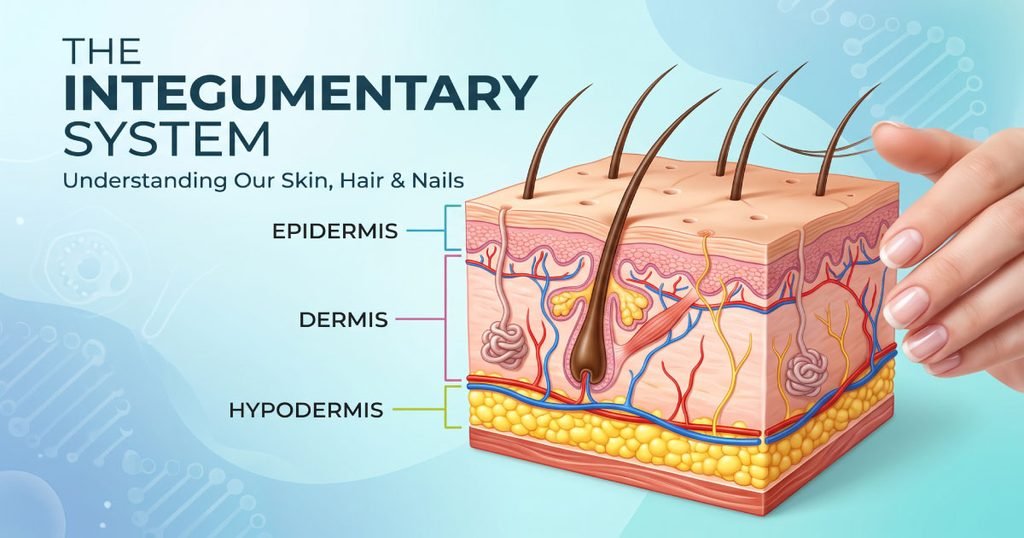
The integumentary system is the body’s external protective system. It forms a barrier between the internal tissues and the surrounding environment. It helps protect against physical injury, harmful microorganisms, excessive water loss, and environmental hazards.
Major organs and structures
- Skin
- Hair
- Nails
- Sweat glands
- Sebaceous glands
The skin consists of two principal layers: the epidermis and dermis. Beneath the skin lies the hypodermis, or subcutaneous tissue, which contains adipose tissue and connective tissue and connects the skin to underlying structures.
Functions of the integumentary system
1. Protection: The skin provides a physical and chemical barrier against pathogens, chemicals, mechanical injury, and excessive water loss.
2. Temperature regulation: Sweat evaporation cools the body. Blood vessels in the skin dilate to increase heat loss and constrict to reduce heat loss.
3. Sensation: Sensory receptors detect touch, pressure, vibration, temperature, and pain.
4. Vitamin D production: Ultraviolet B radiation from sunlight initiates vitamin D synthesis in the skin. The vitamin D precursor is subsequently processed in the liver and kidneys to form active vitamin D.
5. Excretion: Sweat contains water, electrolytes, and small amounts of metabolic waste, although the kidneys are the primary organs responsible for removing waste from the blood.
6. Immune defense: The skin contains immune cells and protective chemical substances that help defend against infection.
Why is the integumentary system important?
Without the skin’s barrier, the body would be more vulnerable to infection, fluid loss, and environmental injury. The skin also contributes to temperature control and sensory awareness.
4. Skeletal System

The skeletal system provides structural support, protects internal organs, enables movement in coordination with muscles, and serves as a storage site for minerals.
An adult human skeleton typically contains 206 bones, although the number can vary because of anatomical variations and differences in bone fusion.
Major organs and structures
- Bones
- Cartilage
- Joints
- Ligaments
- Bone marrow
The skeletal system is commonly divided into two major parts:
- Axial skeleton: Includes the skull, vertebral column, ribs, and sternum.
- Appendicular skeleton: Includes the bones of the arms, legs, shoulders, and pelvis.
Functions of the skeletal system
1. Structural support: Bones provide a framework that supports the body and maintains its shape.
2. Organ protection: The skull protects the brain, the rib cage protects the heart and lungs, and the vertebral column protects the spinal cord.
3. Movement: Bones act as levers. Muscles pull on bones through tendons, producing movement at joints.
4. Mineral storage: Bones store minerals, especially calcium and phosphorus, and release them when needed to maintain mineral balance.
5. Blood cell production: Red blood cells, white blood cells, and platelets are produced in hematopoietic bone marrow.
6. Fat storage: Yellow bone marrow contains adipocytes that store fat.
Why is the skeletal system important?
The skeletal system supports the body, protects vital organs, allows locomotion, and contributes to blood cell formation and mineral homeostasis.
5. Muscular System

The muscular system enables movement, maintains posture, stabilizes joints, and produces heat. It works closely with the skeletal and nervous systems to perform voluntary and involuntary activities.
The human body contains three major types of muscle tissue: skeletal muscle, smooth muscle, and cardiac muscle.
Major muscle types
- Skeletal muscle: Usually attached to bones and responsible for voluntary movements such as walking, lifting, and running.
- Smooth muscle: Found in the walls of organs such as the intestines, blood vessels, bladder, and uterus.
- Cardiac muscle: Found in the heart and responsible for pumping blood through rhythmic contractions.
Functions of the muscular system
1. Body movement: Skeletal muscles contract to move bones and body parts.
2. Posture: Muscles maintain body position while standing, sitting, and performing other activities.
3. Joint stabilization: Muscles and tendons help stabilize joints during movement.
4. Heat production: Muscle contraction generates heat, helping maintain body temperature.
5. Internal movement: Smooth muscle moves substances through hollow organs, including food through the digestive tract and urine through the urinary tract.
6. Circulation: Cardiac muscle contractions pump blood throughout the body.
Why is the muscular system important?
Muscles allow humans to move, breathe, maintain posture, digest food, circulate blood, and perform everyday physical activities.
6. Nervous System

The nervous system is the body’s rapid communication and control system. It detects changes inside and outside the body, processes information, and coordinates responses.
It consists of the central nervous system and peripheral nervous system.
Major organs and structures
- Brain
- Spinal cord
- Peripheral nerves
- Sensory receptors
Main divisions of the nervous system
Central nervous system (CNS):
- Brain
- Spinal cord
The CNS processes sensory information, integrates signals, and coordinates many responses.
Peripheral nervous system (PNS):
- Cranial nerves
- Spinal nerves
- Peripheral nerve pathways
The PNS connects the central nervous system with the rest of the body.
The peripheral nervous system includes functional divisions:
- Somatic nervous system: Controls voluntary skeletal muscle activity and carries sensory information.
- Autonomic nervous system: Regulates many involuntary functions, including heart rate, digestion, glandular secretion, and smooth muscle activity.
The autonomic nervous system includes sympathetic, parasympathetic, and enteric components, with the enteric nervous system particularly involved in gastrointestinal regulation.
Functions of the nervous system
1. Sensory detection: Detects stimuli such as light, sound, pressure, temperature, pain, and changes in internal conditions.
2. Information processing: The brain and spinal cord interpret and integrate incoming information.
3. Motor control: Sends signals to muscles and glands to coordinate actions and responses.
4. Reflexes: Produces rapid protective responses, such as withdrawing a hand from a hot surface.
5. Cognitive functions: Supports learning, memory, attention, language, emotions, and reasoning.
6. Internal regulation: Helps regulate breathing, heart rate, blood pressure, digestion, and other physiological functions.
Why is the nervous system important?
The nervous system enables communication, movement, sensation, thinking, learning, and the regulation of many vital physiological processes.
7. Endocrine System
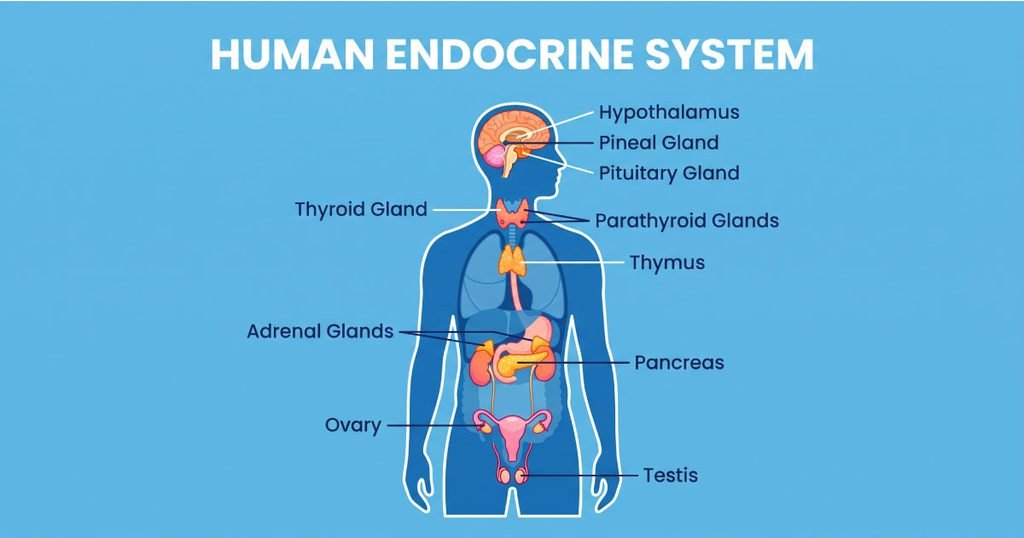
The endocrine system consists of glands and specialized tissues that produce and release hormones. Hormones are chemical messengers that regulate physiological activities by acting on target cells.
Unlike many nervous system signals, endocrine signals can travel through the bloodstream and regulate activities over longer periods.
Major endocrine glands and organs
- Hypothalamus
- Pituitary gland
- Pineal gland
- Thyroid gland
- Parathyroid glands
- Adrenal glands
- Pancreatic endocrine cells
- Ovaries
- Testes
Some other organs, including the kidneys, heart, gastrointestinal tract, and adipose tissue, also produce hormones.
Functions of the endocrine system
1. Growth and development: Growth hormone and thyroid hormones contribute to normal growth and development.
2. Metabolism: Thyroid hormones help regulate metabolic activity, while insulin and glucagon help regulate blood glucose.
3. Blood glucose regulation: Insulin lowers blood glucose by promoting glucose uptake and storage in responsive tissues. Glucagon raises blood glucose primarily by stimulating hepatic glucose production and release.
4. Stress response: Adrenal hormones, including cortisol and epinephrine, help the body respond to stress.
5. Reproduction: Sex hormones regulate reproductive development, reproductive functions, and aspects of sexual behavior and physiology.
6. Calcium regulation: Parathyroid hormone and calcitonin, together with vitamin D, contribute to calcium homeostasis.
Why is the endocrine system important?
The endocrine system helps regulate growth, metabolism, reproduction, stress responses, blood glucose, and the balance of substances in the body.
8. Cardiovascular System
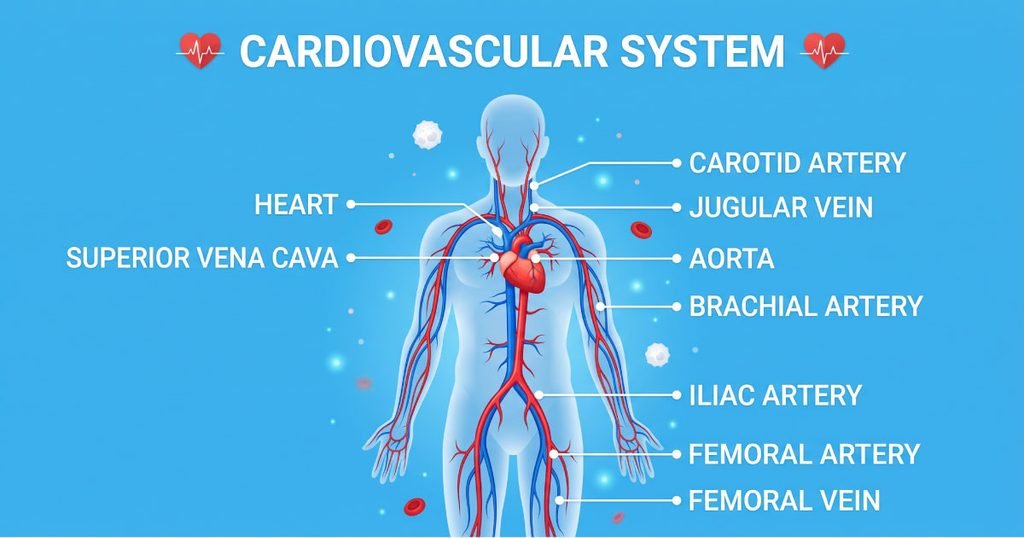
The cardiovascular system, also called the circulatory system, transports blood throughout the body. It supplies tissues with oxygen and nutrients and helps remove carbon dioxide and metabolic waste products.
Major organs and structures
- Heart
- Blood
- Arteries
- Veins
- Capillaries
Functions of the cardiovascular system
1. Oxygen transport: Red blood cells carry oxygen from the lungs to body tissues.
2. Nutrient transport: Blood transports glucose, amino acids, fatty acids, vitamins, minerals, and other substances absorbed from the digestive tract.
3. Waste removal: Blood carries carbon dioxide to the lungs and transports other waste products to organs such as the kidneys and liver.
4. Hormone transport: Hormones travel through the bloodstream to target organs and tissues.
5. Temperature regulation: Blood flow to the skin helps regulate body temperature.
6. Immune support: Blood transports immune cells and protective proteins involved in defense against infection.
7. Hemostasis: Platelets and clotting proteins help control bleeding following blood vessel injury.
How does the heart work?
The heart is a muscular organ with four chambers: two atria and two ventricles.
- The right side of the heart receives oxygen-poor blood from the body and pumps it to the lungs.
- The left side receives oxygen-rich blood from the lungs and pumps it to the body.
The heart’s rhythmic contractions maintain circulation through pulmonary and systemic pathways.
Why is the cardiovascular system important?
Without effective blood circulation, cells would not receive sufficient oxygen and nutrients, and the body could not efficiently transport carbon dioxide, metabolic waste, hormones, or immune components.
9. Lymphatic and Immune System
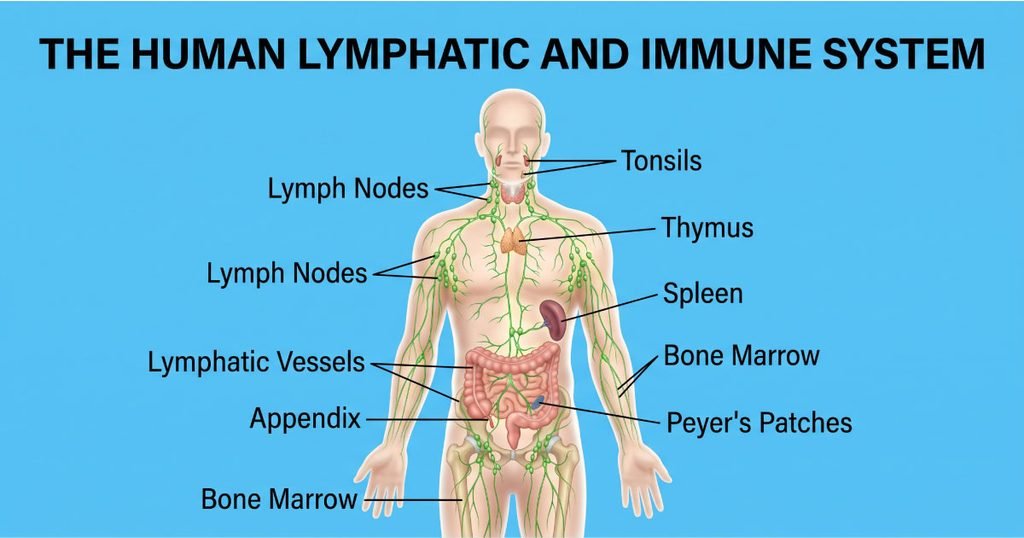
The lymphatic and immune system helps maintain fluid balance, transports lymph, absorbs certain dietary fats, and protects the body against pathogens and other harmful substances.
The lymphatic system and immune system are closely connected, but they are not exactly the same thing. The lymphatic system is a network of vessels and organs, while the immune system includes cells, tissues, organs, and molecular defenses distributed throughout the body.
Major organs and structures
- Lymphatic vessels
- Lymph nodes
- Spleen
- Thymus
- Tonsils
- Bone marrow
- Lymphatic tissues
- Immune cells
Functions of the lymphatic and immune system
1. Fluid balance: Lymphatic vessels return excess fluid and proteins from tissues to the bloodstream.
2. Immune defense: Lymph nodes and other lymphatic tissues help detect pathogens and coordinate immune responses.
3. Pathogen removal: Immune cells recognize, attack, or remove microorganisms and other harmful substances.
4. Lymphocyte production and maturation: Bone marrow produces lymphocyte precursors. B lymphocytes mature in the bone marrow, while T lymphocytes mature in the thymus.
5. Fat absorption: Specialized lymphatic vessels called lacteals in the small intestine absorb dietary lipids and transport them in lymph.
6. Immune memory: Adaptive immune cells can develop long-lasting memory of certain pathogens, allowing a faster response during subsequent exposure.
How does the immune system protect the body?
The immune system uses multiple defense mechanisms:
- Physical barriers, such as skin and mucous membranes.
- Innate immunity, including phagocytes, inflammatory responses, and natural killer cells.
- Adaptive immunity, involving B cells, antibodies, and T cells.
Why is the lymphatic and immune system important?
It protects the body from infectious organisms, contributes to fluid balance, supports immune responses, and helps absorb dietary fats.
10. Respiratory System

The respiratory system is responsible for gas exchange between the body and the external environment. It supplies oxygen to the blood and removes carbon dioxide, a waste product of cellular metabolism.
Major organs and structures
- Nose and nasal cavity
- Pharynx
- Larynx
- Trachea
- Bronchi
- Bronchioles
- Lungs
- Alveoli
- Diaphragm and other respiratory muscles
Functions of the respiratory system
1. Oxygen intake: Air enters the respiratory tract and reaches the alveoli, where oxygen diffuses into pulmonary capillary blood.
2. Carbon dioxide removal: Carbon dioxide diffuses from the blood into the alveoli and is exhaled.
3. Gas exchange: The alveoli provide a large surface area for efficient gas exchange between air and blood.
4. Breathing: The diaphragm and other respiratory muscles change thoracic volume and pressure to move air into and out of the lungs.
5. Acid-base regulation: The respiratory system regulates carbon dioxide levels, helping control blood pH.
6. Air filtration and conditioning: The nasal passages help filter, warm, and humidify inhaled air.
7. Speech: Airflow through the larynx supports voice production.
How does gas exchange occur?
Gas exchange occurs primarily in the alveoli of the lungs.
- Oxygen diffuses from alveolar air into the pulmonary capillary blood.
- Oxygen binds mainly to hemoglobin in red blood cells.
- Carbon dioxide moves from blood into alveolar air.
- Carbon dioxide is removed during exhalation.
Why is the respiratory system important?
The respiratory system supplies oxygen for aerobic metabolism and removes carbon dioxide, helping maintain the body’s acid-base balance.
11. Digestive System
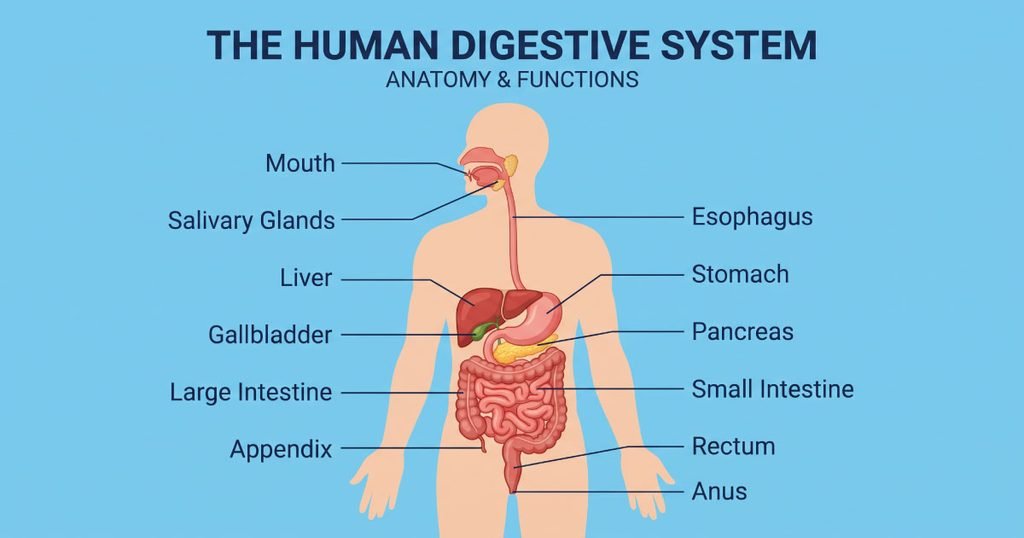
The digestive system breaks down food into absorbable substances, absorbs nutrients and water, and eliminates indigestible material from the body.
The digestive system includes the gastrointestinal tract and associated digestive organs.
Major organs and structures
Gastrointestinal tract:
- Mouth
- Pharynx
- Esophagus
- Stomach
- Small intestine
- Large intestine
- Rectum
- Anus
Accessory digestive organs:
- Liver
- Gallbladder
- Pancreas
Functions of the digestive system
1. Ingestion: Food enters the digestive tract through the mouth.
2. Mechanical digestion: Chewing and muscular contractions physically break food into smaller particles.
3. Chemical digestion: Enzymes and other digestive substances break complex molecules into smaller absorbable components.
4. Nutrient absorption: Most nutrient absorption occurs in the small intestine.
5. Water absorption: The small and large intestines absorb water, with the large intestine contributing significantly to the final concentration of feces.
6. Waste elimination: Undigested material and other waste components are eliminated through the anus.
What do the major digestive organs do?
| Organ | Function |
|---|---|
| Mouth | Chews food and mixes it with saliva |
| Esophagus | Moves food to the stomach through peristalsis |
| Stomach | Mixes food and begins protein digestion |
| Small intestine | Digests food and absorbs most nutrients |
| Large intestine | Absorbs water and electrolytes and helps form feces |
| Liver | Produces bile and performs metabolic, storage, and detoxification-related functions |
| Gallbladder | Stores and concentrates bile |
| Pancreas | Releases digestive enzymes and bicarbonate into the small intestine |
| Rectum | Stores feces before elimination |
Why is the digestive system important?
The digestive system supplies the body with nutrients and water required for cellular metabolism, tissue repair, growth, and energy production.
12. Urinary System
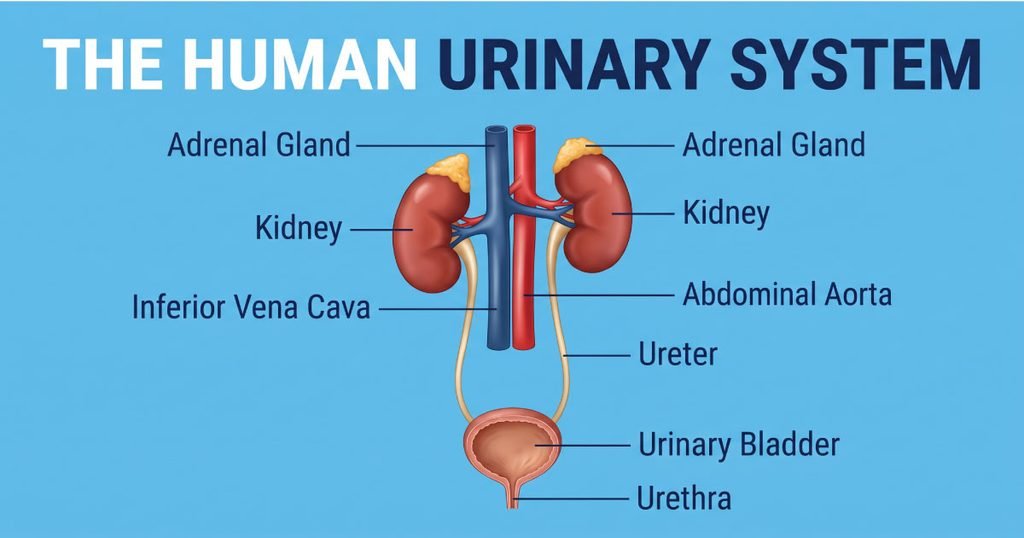
The urinary system filters blood, removes metabolic waste products, regulates water and electrolyte balance, and contributes to the regulation of blood pressure and acid-base balance.
Major organs and structures
- Two kidneys
- Two ureters
- Urinary bladder
- Urethra
Functions of the urinary system
1. Waste removal: The kidneys remove waste products such as urea and creatinine from the blood.
2. Water balance: The kidneys adjust water excretion to help maintain fluid balance.
3. Electrolyte regulation: They regulate levels of sodium, potassium, and other electrolytes.
4. Acid-base balance: The kidneys help maintain blood pH by regulating hydrogen ions and bicarbonate.
5. Blood pressure regulation: The kidneys influence blood pressure through fluid regulation and the renin-angiotensin-aldosterone system.
6. Hormone production: The kidneys produce erythropoietin, which stimulates red blood cell production, and release renin, which participates in blood pressure regulation.
7. Vitamin D activation: The kidneys help convert vitamin D into its active hormonal form, calcitriol.
How does urine formation occur?
The kidneys contain functional units called nephrons. Each nephron performs filtration, reabsorption, and secretion.
- Filtration: Blood plasma is filtered through the glomerular filtration barrier.
- Reabsorption: Useful substances, including water, glucose, and certain electrolytes, are returned to the bloodstream.
- Secretion: Additional substances are transported into the tubular fluid.
- Excretion: The final urine passes through the ureters to the bladder and is eliminated through the urethra.
Why is the urinary system important?
The urinary system helps maintain internal chemical balance by removing waste, regulating water and electrolytes, and supporting blood pressure and pH regulation.
13. Reproductive System
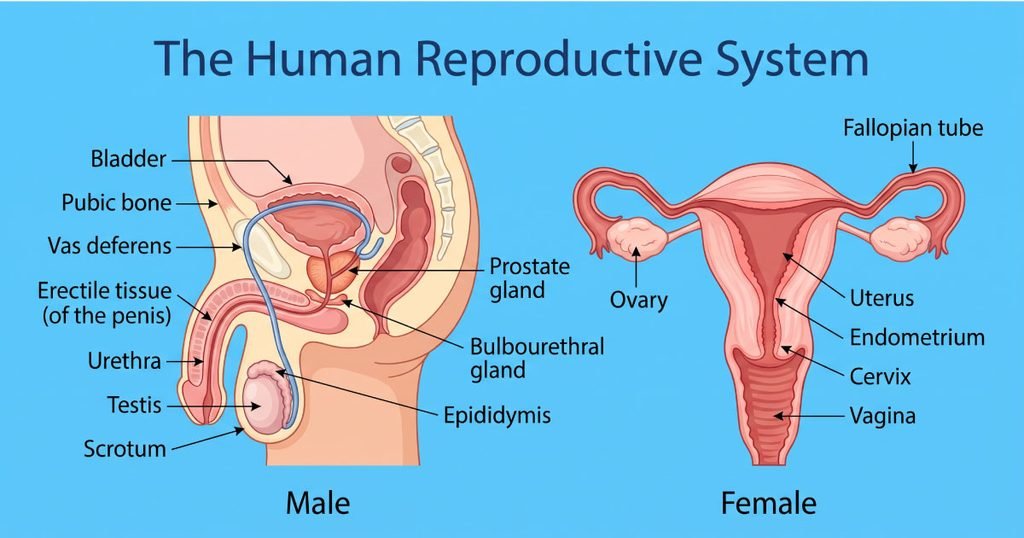
The reproductive system is responsible for producing reproductive cells, supporting fertilization, and enabling the continuation of the human species.
The male and female reproductive systems contain different organs and structures that perform specialized reproductive functions.
Major organs of the male reproductive system
- Testes
- Epididymides
- Vas deferens
- Seminal vesicles
- Prostate gland
- Urethra
- Penis
Functions of the male reproductive system
1. Sperm production: The testes produce sperm through spermatogenesis.
2. Hormone production: The testes produce testosterone and other hormones.
3. Sperm maturation: Sperm mature and acquire motility in the epididymis.
4. Sperm transport: The reproductive ducts transport sperm during ejaculation.
5. Semen production: Accessory glands contribute fluids that form semen and support sperm transport.
Major organs of the female reproductive system
- Ovaries
- Fallopian tubes
- Uterus
- Cervix
- Vagina
- External genital structures
Functions of the female reproductive system
1. Oocyte production: The ovaries contain follicles and release an oocyte during ovulation.
2. Hormone production: The ovaries produce estrogen, progesterone, and other hormones.
3. Fertilization: Fertilization typically occurs in the fallopian tube.
4. Pregnancy support: The uterus supports implantation and development of the embryo and fetus during pregnancy.
5. Birth: The uterus contracts during labor to help deliver the baby.
6. Menstrual cycle regulation: Hormonal changes regulate the menstrual cycle and prepare the reproductive system for potential pregnancy.
Why is the reproductive system important?
The reproductive system produces gametes, supports reproductive processes, and enables the generation of offspring.
14. How Do the 11 Organ Systems Work Together?
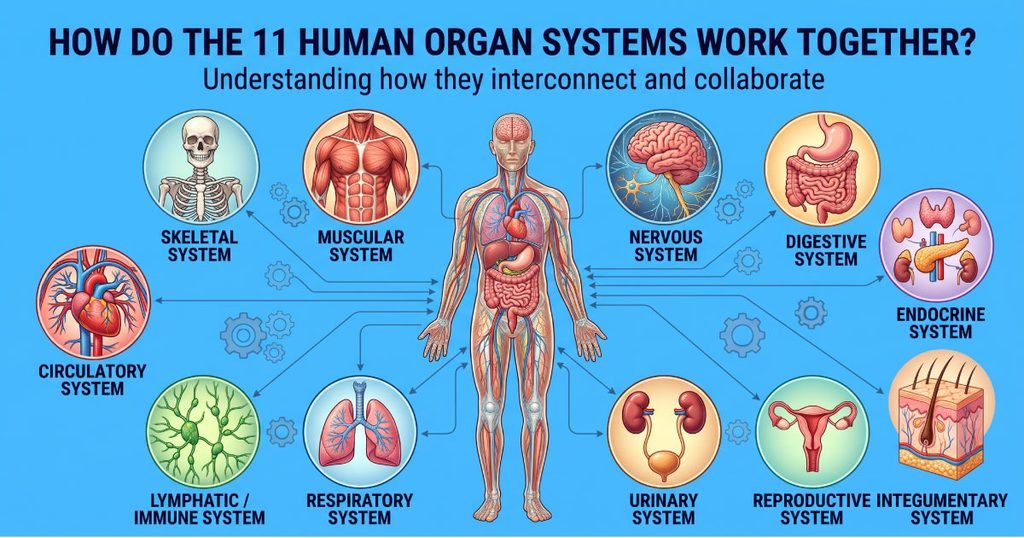
The 11 organ systems do not function independently. They continuously interact to maintain homeostasis, which is the regulation of the body’s internal environment within ranges compatible with normal physiological function.
Homeostasis is essential for maintaining temperature, blood glucose, blood pressure, oxygen levels, pH, and fluid balance.
Examples of organ systems working together
1. During exercise
- The muscular system contracts to produce movement.
- The nervous system coordinates muscle activity.
- The respiratory system increases ventilation to supply more oxygen and remove carbon dioxide.
- The cardiovascular system increases blood flow to active muscles.
- The integumentary system increases sweating to help dissipate heat.
2. During digestion
- The digestive system breaks down food and absorbs nutrients.
- The nervous system regulates digestive movements and secretions.
- The cardiovascular system transports absorbed nutrients.
- The endocrine system regulates digestive processes and nutrient metabolism.
- The muscular system helps move food through the digestive tract.
3. During infection
- The integumentary system provides an initial protective barrier.
- The immune system detects and attacks infectious organisms.
- The cardiovascular system transports immune cells and inflammatory mediators.
- The lymphatic system supports immune surveillance and lymphocyte activation.
- The endocrine and nervous systems help regulate responses to stress and inflammation.
4. During dehydration
- The urinary system conserves water by adjusting urine concentration.
- The endocrine system releases hormones, including antidiuretic hormone, that help regulate water retention.
- The nervous system stimulates thirst.
- The cardiovascular system responds to changes in blood volume and pressure.
5. During breathing
- The respiratory system moves air into and out of the lungs.
- The nervous system regulates breathing rate and depth.
- The cardiovascular system transports oxygen and carbon dioxide.
- The muscular system, especially the diaphragm, enables ventilation.
What is homeostasis?
Homeostasis is the body’s ability to regulate its internal environment through coordinated physiological mechanisms. It does not mean that all internal conditions remain perfectly constant; instead, they are maintained within appropriate ranges through continuous adjustments.
15. Why Are the 11 Organ Systems Important?
The 11 organ systems are essential because they perform the functions required for human survival, health, growth, and reproduction.
| Biological requirement | Organ systems involved |
|---|---|
| Protection from environmental damage | Integumentary, immune, skeletal |
| Movement and physical activity | Muscular, skeletal, nervous |
| Oxygen supply | Respiratory, cardiovascular |
| Nutrient supply | Digestive, cardiovascular |
| Waste removal | Urinary, digestive, respiratory |
| Internal regulation | Nervous, endocrine, urinary, cardiovascular |
| Infection defense | Integumentary, lymphatic and immune |
| Growth and development | Endocrine, skeletal, reproductive |
| Reproduction | Reproductive, endocrine, cardiovascular |
| Temperature regulation | Integumentary, nervous, cardiovascular, muscular |
The coordinated activity of these systems enables the human body to respond to environmental changes, maintain internal balance, perform physical activities, repair tissues, and survive.
16. Frequently Asked Questions (FAQs)
How many organ systems are there in the human body?
The human body is commonly classified into 11 major organ systems in anatomy and physiology.
What are the 11 organ systems of the human body?
The 11 major organ systems are:
- Integumentary system
- Skeletal system
- Muscular system
- Nervous system
- Endocrine system
- Cardiovascular system
- Lymphatic and immune system
- Respiratory system
- Digestive system
- Urinary system
- Reproductive system
What is the largest organ system in the human body?
The integumentary system is generally considered the largest organ system by surface area, as the skin covers the external surface of the body. The skin is also the body’s largest organ.
What is the most important organ system?
No single organ system is universally considered the most important. The cardiovascular, respiratory, nervous, and other systems are all essential for survival. The failure of one critical system can affect the functioning of the entire body.
Which organ system controls the other organ systems?
The nervous and endocrine systems are major regulatory systems. The nervous system provides rapid communication through electrical and chemical signaling, while the endocrine system regulates physiological activities through hormones. Both interact with other systems to maintain homeostasis.
Which organ systems work together to produce movement?
The skeletal, muscular, and nervous systems work together to produce movement. The nervous system activates muscles, muscles generate force, and bones and joints provide the structures through which movement occurs.
Which organ systems help remove waste from the body?
The urinary system removes waste products from the blood and excretes them in urine. The digestive system eliminates undigested material, while the respiratory system removes carbon dioxide. The liver also processes and transforms various substances, including metabolic waste.
Are the lymphatic system and immune system the same?
No. They are closely related but not identical. The lymphatic system consists of vessels, lymph nodes, and lymphatic organs that help maintain fluid balance and support immune function. The immune system includes a much broader network of cells, tissues, organs, and molecular defenses.
Why do scientists study organ systems?
Scientists and healthcare professionals study organ systems to understand normal body functions, diagnose diseases, develop treatments, and explain how physiological processes interact.
17. References and Scientific Sources
The following reputable medical and educational resources can help students verify and explore the information in this article.
1. MSD Manual – Organ Systems: Overview of the major organ systems, their organs, functions, and interactions. Read the MSD Manual. MSD Manual Consumer Version
2. OpenStax – Anatomy and Physiology 2e: A free college-level textbook covering human anatomy, physiology, organ systems, and homeostasis. Read the textbook.
3. National Cancer Institute (NCI): Provides educational resources on anatomy, body structures, and biological processes. Visit NCI.
4. MedlinePlus – Anatomy: Medical information and educational resources related to the human body and health. Visit MedlinePlus.
5. National Institute of General Medical Sciences (NIGMS): Educational resources explaining biological processes and the functions of living systems. Visit NIGMS.
Conclusion
The human body consists of 11 major organ systems that work together to sustain life. Each system has specialized organs and functions, but their activities are interconnected. The integumentary system protects the body, the skeletal and muscular systems support movement, the nervous and endocrine systems regulate physiological processes, and the cardiovascular, respiratory, digestive, urinary, lymphatic, and reproductive systems contribute to transport, gas exchange, nutrition, waste removal, immune defense, and reproduction.
Understanding the 11 organ systems is a fundamental part of biology, anatomy, physiology, and medical science. It helps students recognize how the human body functions as an integrated biological organism and why maintaining the health of every system is important for overall well-being.

[…] autonomic nervous system plays an essential role in regulating heart rate during […]
[…] From the moment food enters the mouth until the remaining waste is eliminated through the anus, several organs, enzymes, muscles, and digestive secretions work together to make digestion possible. Understanding the digestive system helps explain how the body obtains nutrients from food and maintains its physiological functions. […]
[…] For example, the human body regulates its temperature to maintain normal physiological functioning. […]
[…] Neurons are specialized nerve cells responsible for transmitting and processing information throughout the nervous system. […]